
Newsletter Subscribe
Enter your email address below and subscribe to our newsletter
Enter your email address below and subscribe to our newsletter

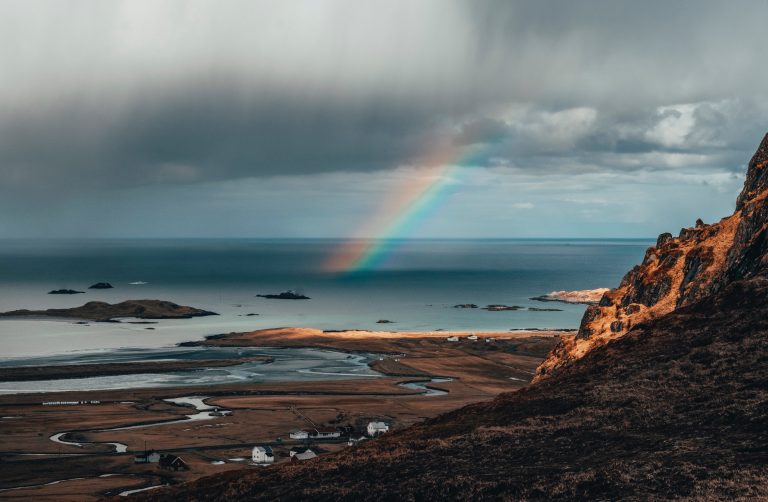
Seabed mining is the process of extracting minerals from the deep sea. Hundreds, even over 1,000 metres below the surface of the water, there is cobalt, nickel, zinc, copper, lead, lithium and other minerals hidden in various sources. Everyday people…
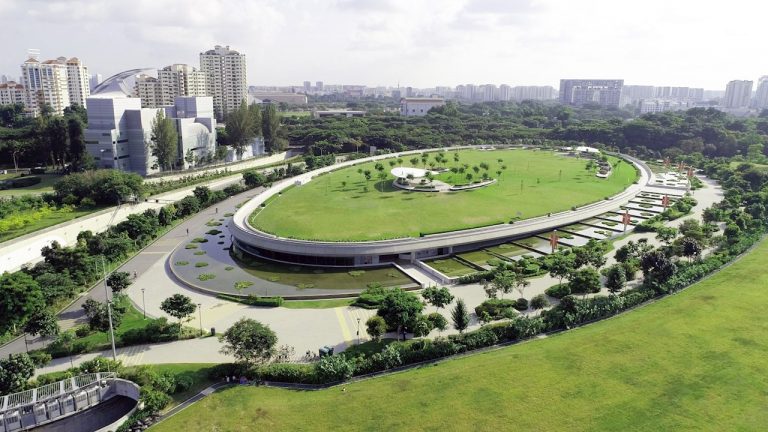
The United Nation’s (UN) World Water Development Report recently stated that nearly six billion people will suffer from clean water scarcity by 2050. So, as we “celebrate” World Water Week, it’s time to turn our attention to the global water…
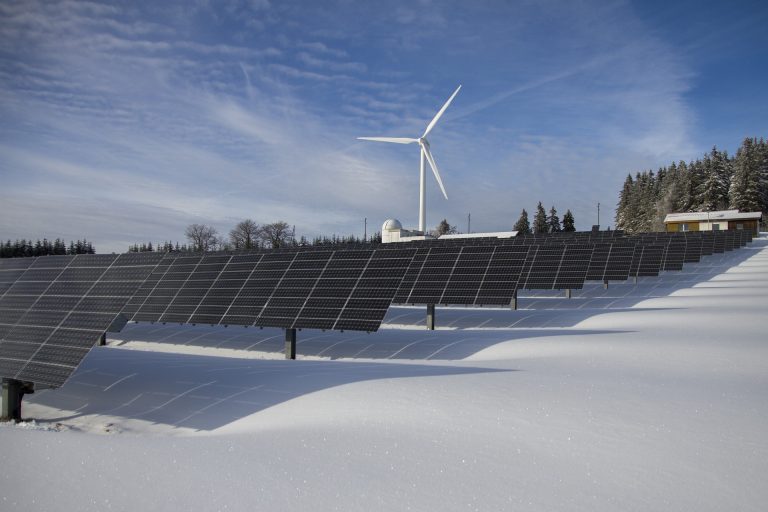
The increased use of renewable electricity across the European Union has not only reduced pressures linked to climate change, but also to air and water pollution (particulate matter formation, eutrophication and acidification), according to a European Environment Agency (EEA). More…
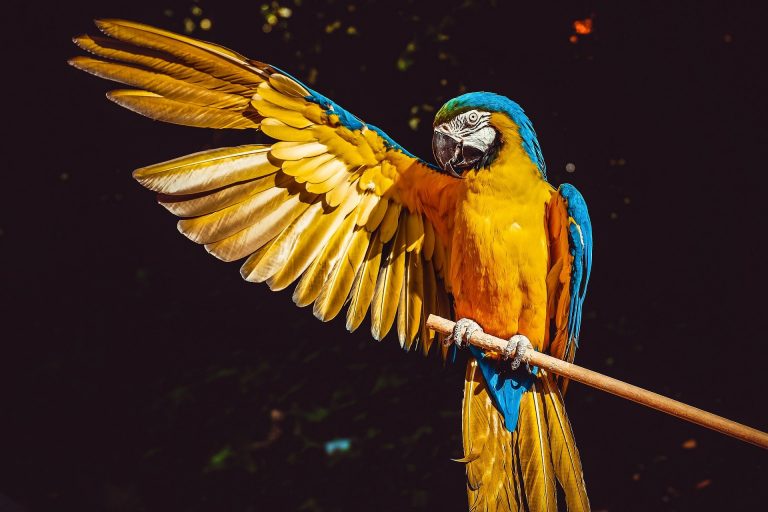
A majority of EU wide protected species, such as the Saker Falcon and the Danube Salmon, and habitats from grasslands to dunes across Europe, face an uncertain future unless more is urgently done to reverse the situation, according to the…
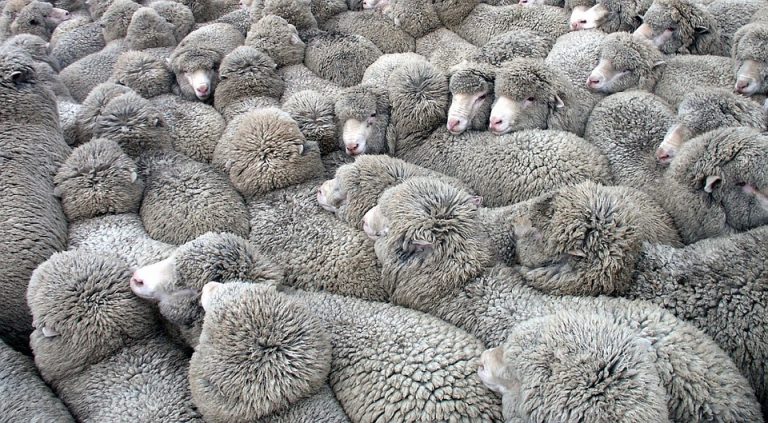
There was a time when industrial agriculture seemed to be a panacea for a fast-growing world. Synthetic fertilizers, chemical pesticides and high-yield cereal hybrids promised to reduce hunger, accommodate growing populations and stimulate economic prosperity. Between 1960 and 2015, agricultural…
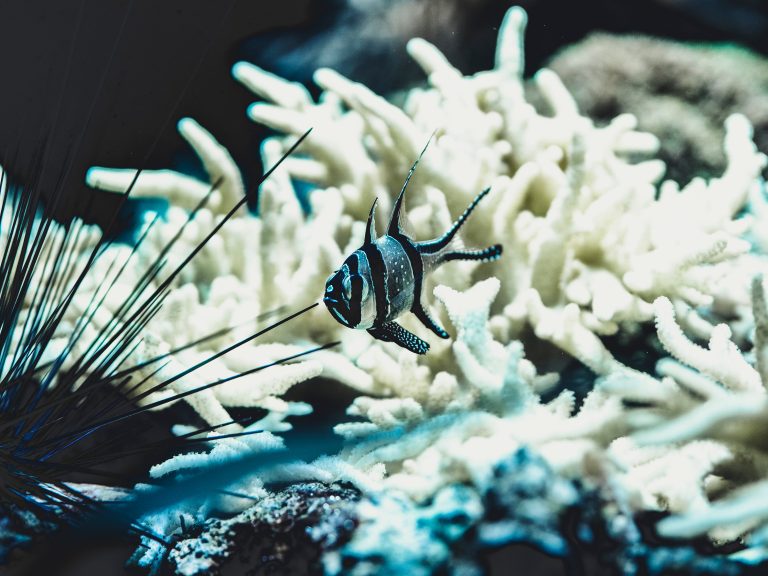
A global study has revealed exactly why corals glow during ocean heatwaves: to try and survive. The research by the University of Southampton’s Coral Reef Laboratory shows that some corals exhibit a dazzling colourful display when they suffer bleaching due…

The COVID-19 crisis is a reminder of the intimate relationship between humans, animals and the environment. There are several human rights related to the environment- these are our environmental rights. Without clean, safe, healthy and sustainable ecosystems, numerous human rights…