


At the North Sea Summit held yesterday in Hamburg, leaders and energy ministers from the North Sea region reached an agreement on strong and coordinated cooperation to accelerate the development of offshore wind energy, enhance energy security, and reduce Europe’s dependence on imported fossil fuels. According to a statement by the European Commission, the focus is on stable, secure, and affordable energy, as well as the development of hydrogen, aiming to strengthen the competitiveness of European industry globally.
A series of declarations were signed in Hamburg outlining specific measures and timelines to reduce investment risks for cross-border electricity network connections, as well as to enhance the resilience of the energy system against physical, cyber, and hybrid threats.
The central document of the summit is the Joint Offshore Wind Investment Pact for the North Sea, signed by representatives of the governments of Belgium, Denmark, France, Germany, Ireland, Luxembourg, the Netherlands, Norway, and the United Kingdom, together with the wind energy industry and transmission system operators (TSOs) for electricity and hydrogen networks.
The Pact emphasizes the vision of the North Sea as “Europe’s green power plant” and reaffirms the collective determination to harness its enormous offshore wind energy potential.
The Pact sets out that Europe should reach 300 GW of installed offshore wind capacity in the North Sea by 2050. EU member states participating in the North Seas Energy Cooperation (NSEC), together with the United Kingdom, aim to develop up to 100 GW of capacity through joint cross-border projects, which would deliver the greatest benefits in terms of reducing system costs.
More:
- Poland Successfully Concludes Its First Offshore Wind Auction
- Ports Are the Backbone of Europe’s Wind Energy
- Low Auction Budget Puts UK Offshore Wind at Risk
Key Commitments Include:
- Establishing an Offshore Financing Framework (OFF), building on existing instruments such as the TEN-E framework and Projects of Common Interest;
- Implementing the first joint projects totaling 20 GW in the 2030s, in line with cooperation plans of transmission system operators and investors;
- Improving national regulatory frameworks to enhance investor confidence, including cross-border liability, grid connection, and balancing schemes;
- Developing suitable market arrangements for hybrid offshore projects;
- Fairer allocation of tenders for offshore wind between 2031–2040, with the goal of installing up to 15 GW per year at the European level.
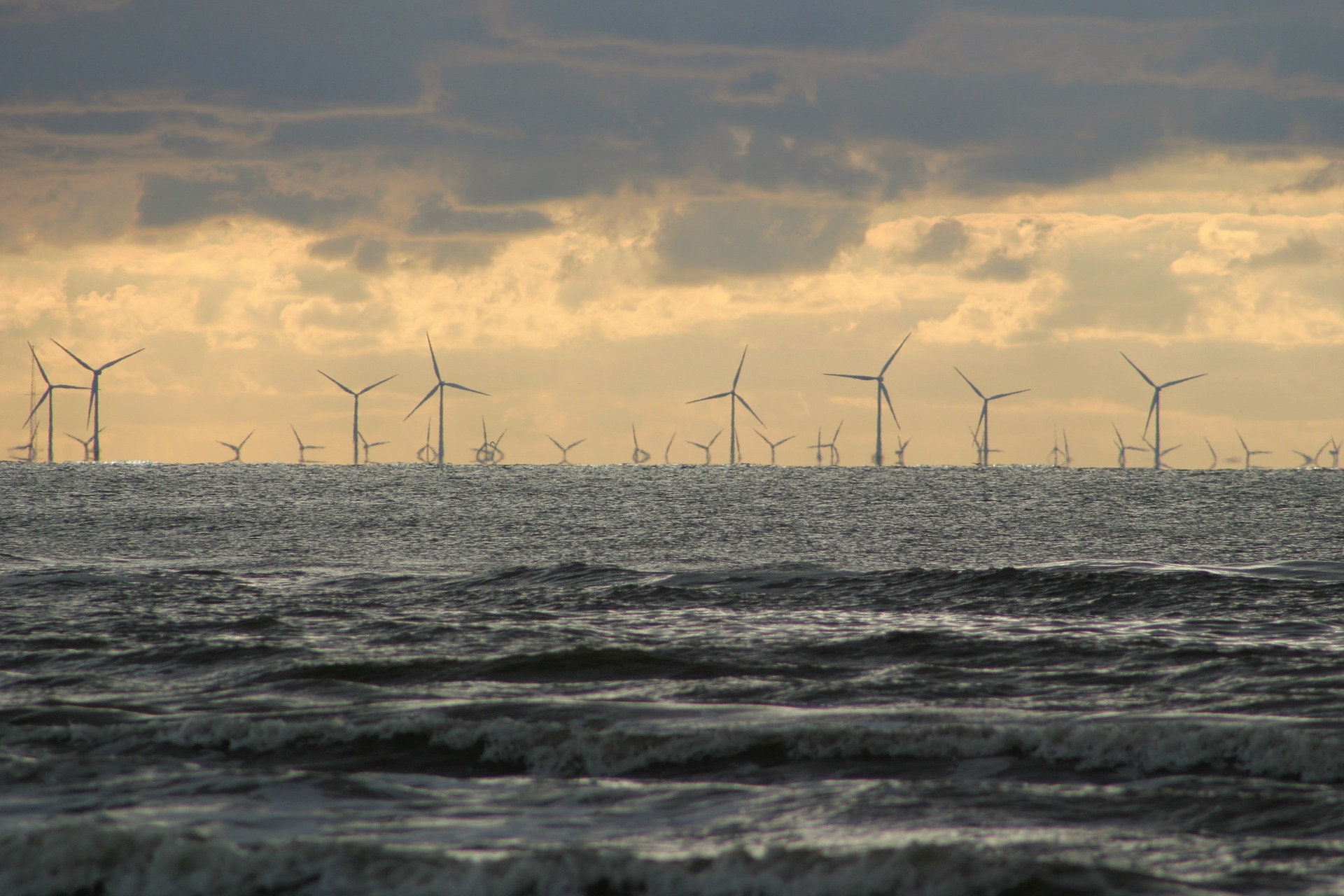
Photo-illustration: Pixabay
Representing the European Commission at the summit, Commissioner for Energy and Housing Dan Jørgensen emphasized that Europe, in turbulent geopolitical times, must choose energy independence through investment in clean, secure, and domestic energy.
“Hardly anything is greater than the North Sea and its enormous offshore wind potential. This means strengthening our interconnections so that affordable energy can flow freely across our continent. And it means securing our industrial leadership while guaranteeing our safety,” Jørgensen said.
Leaders also committed to close coordination on planning, cost-sharing, and financing of cross-border projects, as well as ensuring quality jobs, skills development, and targeted research and innovation activities.
Energy portal
