

Newsletter Subscribe
Enter your email address below and subscribe to our newsletter


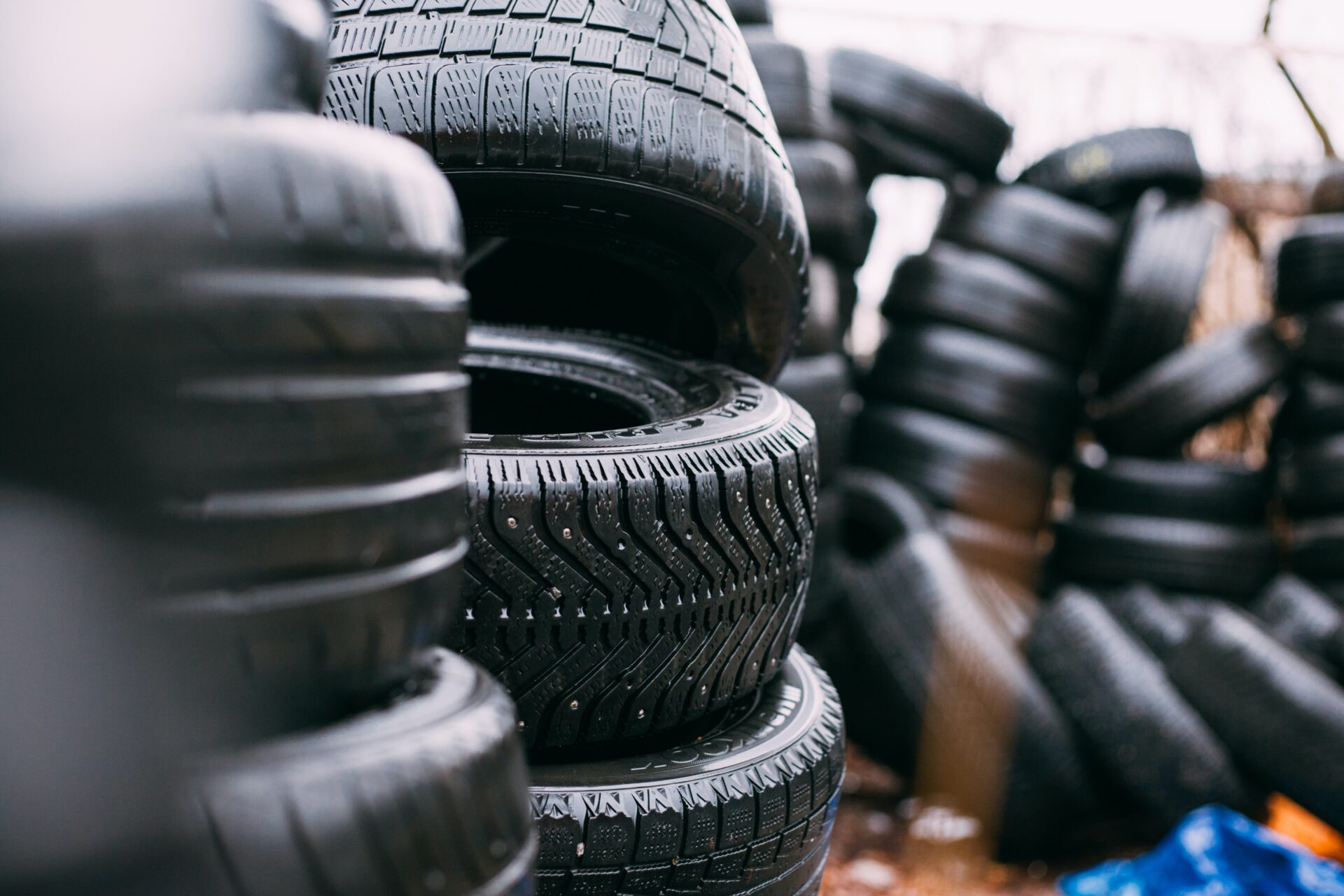
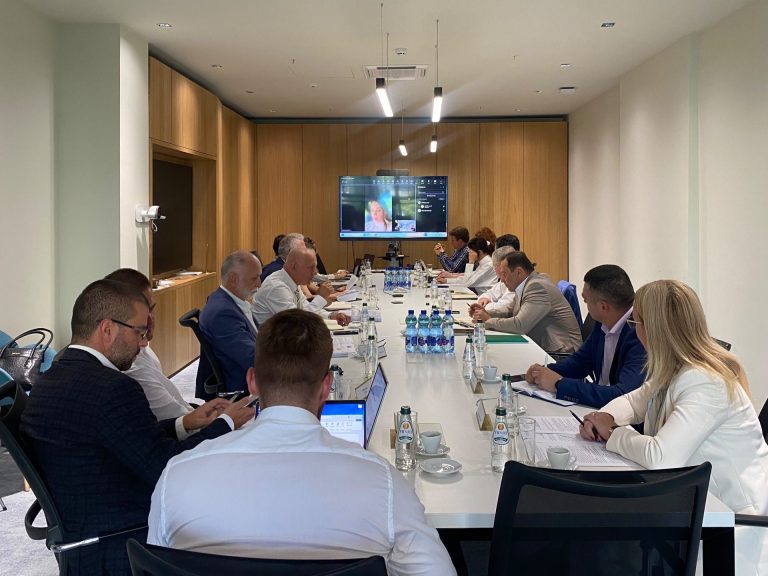
At the Future-Proof Industry: Innovation, Partnerships and Sustainable Growth conference, held at the Serbian Chamber of Commerce (PKS), representatives of Confindustria Serbia, the Italian company Innovando, and PKS signed a Memorandum of Understanding. This marks the beginning of the first bilateral ecosystem dedicated to applying the Extended Producer Responsibility (EPR) model in Serbia’s tire sector.
EPR, or Extended Producer Responsibility, is a European waste management framework that requires manufacturers to take responsibility for their products throughout the entire lifecycle—including collection, recycling, and disposal once the product is no longer in use. The system is designed to encourage the development of more sustainable product design.
As highlighted at the conference, the competitiveness of Serbian industry will increasingly depend on how quickly it aligns with European ESG standards and green regulations. For that reason, launching the Serbian–Italian EPR ecosystem represents an important step toward a more modern, responsible, and globally competitive industrial landscape.
Mihailo Vesović, Deputy President of the Serbian Chamber of Commerce, emphasized the importance of accelerating the alignment of domestic industry with European standards, noting that emissions in certain sectors remain above the EU average. He also recalled the introduction of the EU’s CBAM mechanism, which acts as an additional driver for faster compliance.
Innovando supports tire manufacturers and the broader industrial sector by improving waste-collection services and developing digital and AI-based systems for monitoring and measuring CO₂ emissions throughout the entire process, among other technologies.
– Let me give you an example from the tire industry, specifically our cooperation with Michelin. Together with Michelin and several other partners, we developed a system for tracking end-of-life tires, which we presented this year in Bologna. In addition to digital documentation, the tires are tracked physically using RFID tags and QR codes. It’s an experimental study that Michelin insisted on because they wanted to explore what future solutions could look like. Why is this important? Because once the materials are collected—tires in this case—they can be recycled. If the materials are properly separated, recycling becomes much easier – said Cveta Majtanović, Director of Sustainable Development at Innovando and Rubber Conversion.
– As Innovando, we invested in Rubber Conversion about ten years ago—we essentially founded the company. It is a patented technology for rubber devulcanization. The idea was to close the loop, to enable tire manufacturers to reuse this material in a truly circular way, without incineration, by returning it back into production – Majtanović added.
Romano Rosi, President of Confindustria Serbia, noted that over the past three years the organization has implemented an intensive program of workshops and conferences dedicated to ESG topics, investing time, expertise, and significant resources.
– It has been a challenging task, because the cultural shift required of companies is profound and doesn’t happen overnight. Still, our consistency and commitment are based on the belief that sustainability, innovation, and social responsibility are not merely regulatory requirements—they are key drivers of long-term competitiveness – Rosi said.
This conference marks the third annual edition of the joint ESG initiative organized by Confindustria Serbia and the Serbian Chamber of Commerce. Its purpose is to provide insight into the key trends shaping modern industrial development and to examine the challenges and opportunities related to innovation, technological progress, and ESG practices. These processes are increasingly influencing global supply chains and the long-term growth of companies.
Energy portal