
Newsletter Subscribe
Enter your email address below and subscribe to our newsletter


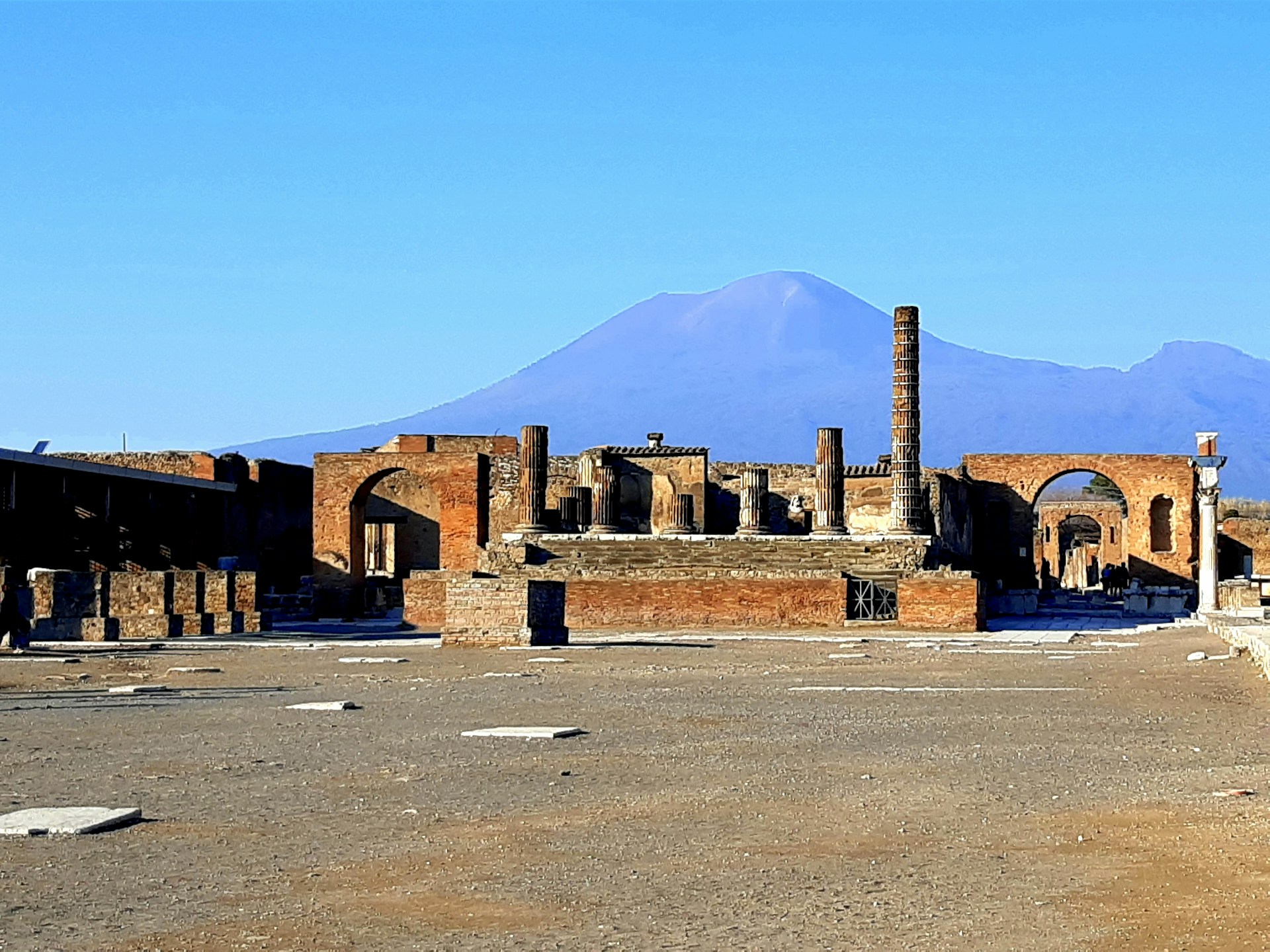
How can we protect rich cultural heritage while simultaneously improving energy efficiency? Ancient buildings—and even entire historic cities—pose a unique challenge, as they require upgrades that must not alter their original appearance.
For this reason, at first glance, it may seem that little has changed in significant historical centers for centuries. Italy, a country where symbols of ancient Rome appear at every turn, has exceptionally well-preserved architecture, including traditional baked clay tiles (terra cotta), thanks to the enforcement of strict visual regulations. Even minor interventions require approval from the powerful state body, the local Soprintendenza. Within such a framework, modern technology often seems out of place—solar panels would likely disrupt the visual concept—yet many historic buildings remain energetically inefficient. However, hidden beneath clay tiles, an intriguing modern idea has taken root.
This is where Dyaqua comes in—a small, family-owned Italian company from Vicenza that has spent years developing materials suited for environments where integrating contemporary technologies is difficult. Their goal was not to create yet another solar panel, but to design a building element that visually belongs to a historic setting while providing at least a modest source of clean energy in places where this was previously impossible. This vision led to the development of Invisible Solar—a photovoltaic module not shaped like a panel, but like terracotta, stone, concrete, or wood.
Beneath the surface—opaque to the eye but permeable to sunlight—lie monocrystalline silicon cells embedded in a unique, durable polymer material. This layer functions on the principle of low molecular density, allowing light to pass through the visible material while the cells beneath generate electrical energy. The material completely replaces a roof or façade tile, both in appearance and mechanical resistance. Although this is not the most efficient solar system on the market, its value lies in enabling energy production without compromising the identity of culturally significant spaces. Here, design, sustainability, and heritage do not conflict—they coexist harmoniously.
A Project on Home Soil – The Archaeological Jewel of Pompeii
Although visitors may unknowingly walk right beside a solar installationvett that is visually undetectable, the first pilot installation of Invisible Solar tiles—type Coppo – Cotto Rosso—was installed in 2018 in the archaeological park of Pompeii, near the House of the Vettii*. The 1 kWp system was set up as part of the Smart Archaeological Park program, a joint project of the Ministry of Culture and the Italian National Research Council (CNR). The tiles are visually identical to the original Roman terracotta roofing, yet they generate electricity used to power infrastructure within the complex.
In addition to Pompeii, a 2 kWp Invisible Solar system was installed in 2022 on the roof of a theater building in Split. Although a system of this size likely covers only a small portion of the building’s energy needs, its importance once again lies in the fact that solar technology can be applied in sensitive, protected locations.
For this reason, Italy’s Ministry of Cultural Heritage recognized and referenced this “invisible solar energy” several years ago—an acknowledgment that, in practice, opened the door, at least to some extent, for the use of solar power in parts of cities where any alteration had previously been nearly impossible.
The Example of Portugal
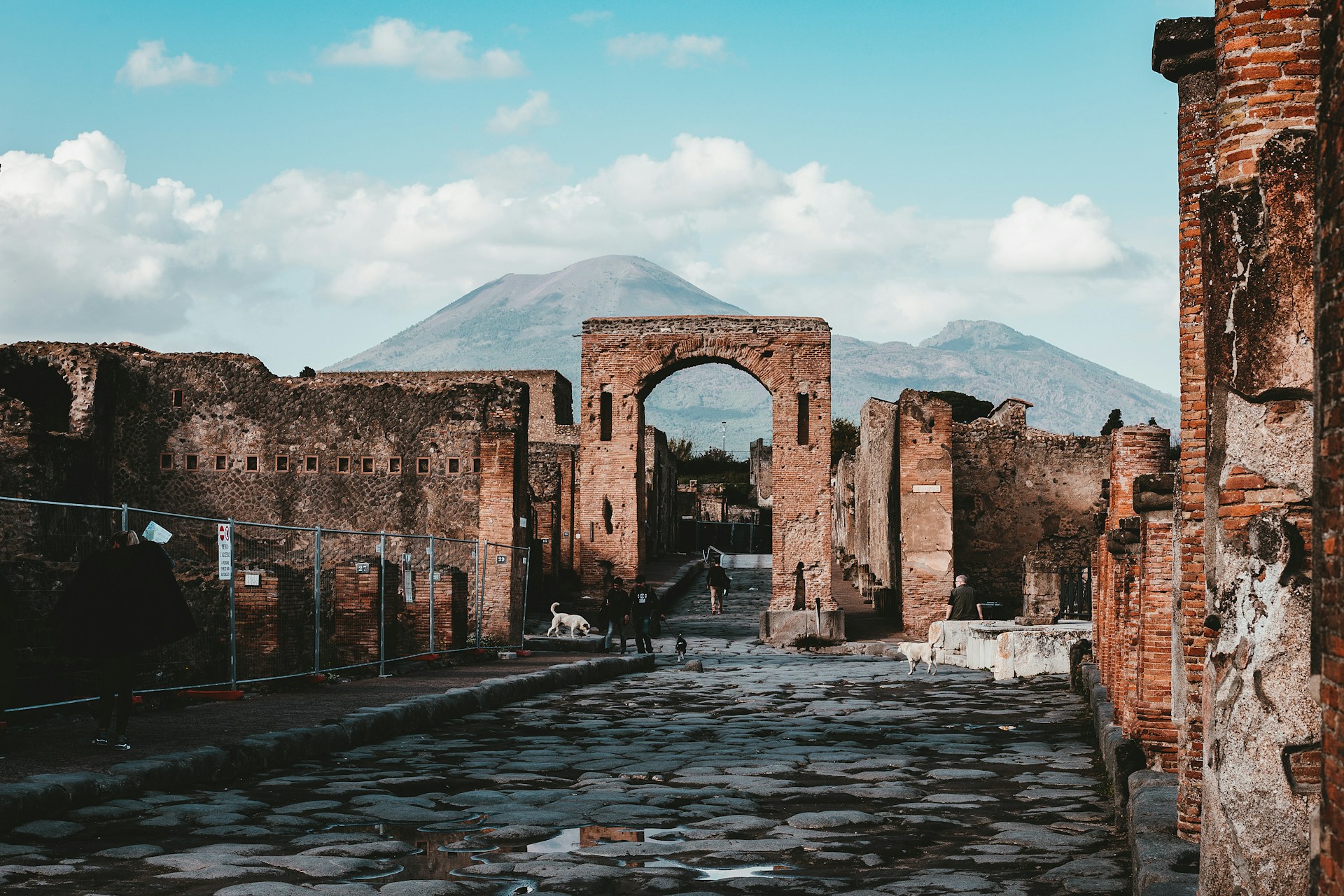
Italy is not the only place where a historic building has implemented such technology.
In Portugal, the city of Évora demonstrates how modern energy solutions can be integrated into strictly protected historical areas—UNESCO placed Évora on the World Heritage List in 1986. As one of the demonstrator cities of the European project POCITYF, Évora tested BIPV (Building-Integrated Photovoltaics) solutions adapted to areas with significant architectural constraints, as explained on the project’s website.
Within this initiative, more than 3,350 invisible solar tiles from Vicenza were installed on the 15th-century Palace of the Counts of Sortelha, currently serving as the City Hall. The tiles were designed to faithfully reproduce the appearance of the traditional roofing material that once covered the palace, just as in the earlier examples. The work was completed in early 2024, and the palace now operates as a discreet solar power plant with a peak capacity of 25 kW—fully integrated into its original architectural style.
A Similar, Yet Distinct Approach
Similar trends are emerging in Alpine regions, where solar technology is integrated in an unobtrusive way, though not necessarily entirely invisible as in the Italian examples or the projects in Pompeii and Évora. In some Swiss mountain villages, rooftop solar modules are shaped to resemble slate tiles—thin, dark-gray natural stone plates traditionally used to cover Alpine houses.
The emphasis is on resemblance, since these modules mimic the color, form, and texture of slate, allowing them to blend into the environment, while still allowing recognition that the material is modern rather than original stone roofing. In other words, they are not replicas of historical materials, but they represent a meaningful step toward architecturally subtle and culturally sensitive adoption of renewable energy.
*The House of the Vettii (Casa dei Vettii) is one of the most famous Roman houses in Pompeii and a representative example of a luxurious urban villa from the 1st century CE. It was named after its owners—two brothers identified as freedmen who rose from the status of slaves to positions of significant social standing.
Prepared by Milica Vučković
The story was published in Energy portal Magazine RESPONSIBLE BUSINNES