

Newsletter Subscribe
Enter your email address below and subscribe to our newsletter


Türkiye is entering a new phase of energy sector development, marked by strong growth in renewable energy, planned expansion of the grid and energy storage, as well as growing electricity demand, according to the International Energy Agency (IEA).
This is highlighted in the new Türkiye 2026 Energy Policy Review, in which the IEA assesses that the country has made significant progress in modernising its energy system in recent years, but that further investment in infrastructure and energy efficiency will be needed to meet future demand growth.
Electricity demand in Türkiye grew by an average of almost 5% per year between 2005 and 2024, the fastest rate among IEA members, and is expected to continue rising through 2035. At the same time, the country is increasing its reliance on renewable energy sources, which accounted for 43% of electricity generation last year, while the National Energy Plan envisages raising their share to 55% by 2035.
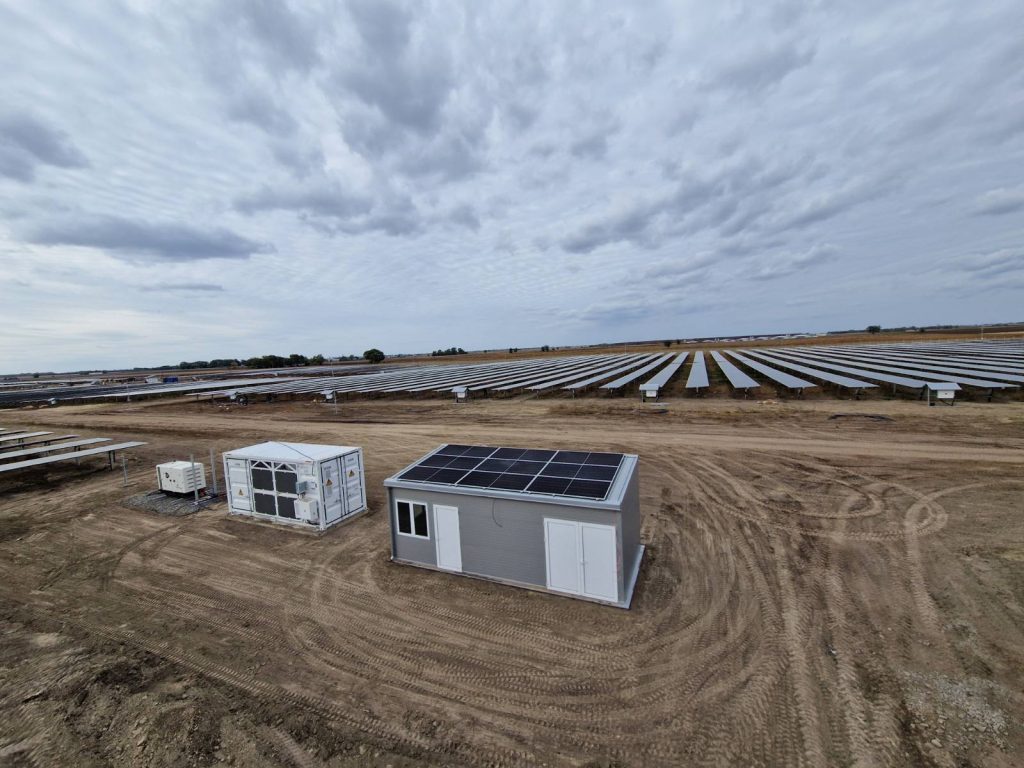
The strongest growth is expected in solar and wind power. Solar capacity is projected to almost quadruple between 2024 and 2035, while wind capacity is expected to triple. At the same time, nuclear power is set to become part of the electricity mix.
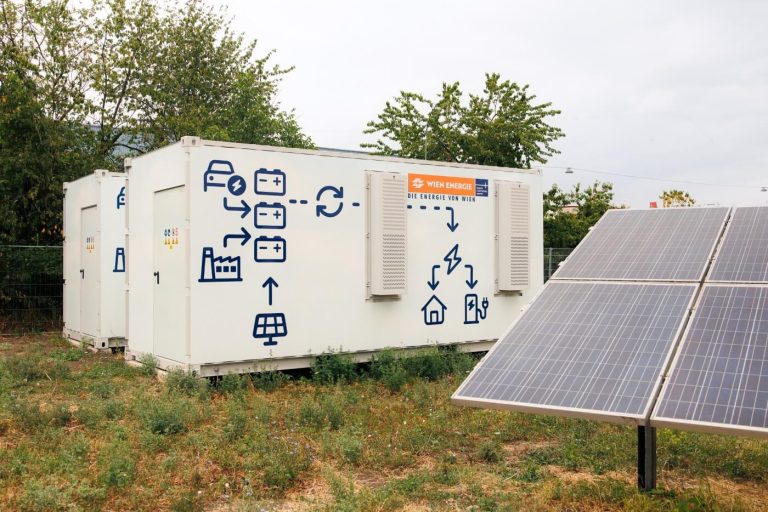
The growth in renewable generation also requires adjustments to the electricity infrastructure. Türkiye plans a significant expansion of its transmission grid by 2035, alongside an additional 7.5 GW of battery energy storage capacity. According to the IEA, investment in grids, storage and other forms of flexibility will be crucial for integrating growing volumes of renewable energy and maintaining system stability.
The country is also increasing domestic natural gas production. The Sakarya gas field in the Black Sea is expected to produce 16.5 billion cubic metres per year once it reaches full capacity, equivalent to more than a quarter of the country’s natural gas consumption in 2024.
Thanks to its developed gas infrastructure and geographical position, Türkiye also plays an increasingly important role in the regional energy market, connecting Europe, the Middle East and the Caspian region.
The review identifies the completion of energy market reforms, strengthening electricity system flexibility, developing sustainable financing models for nuclear power and improving energy efficiency among the priorities for the coming years.
“Türkiye has built strong foundations for the next phase of energy development, with impressive growth in renewables, major investments in infrastructure and an increasingly important role in regional energy markets,” said IEA Executive Director Fatih Birol.
He stressed that accelerating investment in grids, flexibility and energy efficiency could further strengthen Türkiye’s energy security, support economic competitiveness and reduce its exposure to volatile international fuel prices.
Energy Portal