

Newsletter Subscribe
Enter your email address below and subscribe to our newsletter


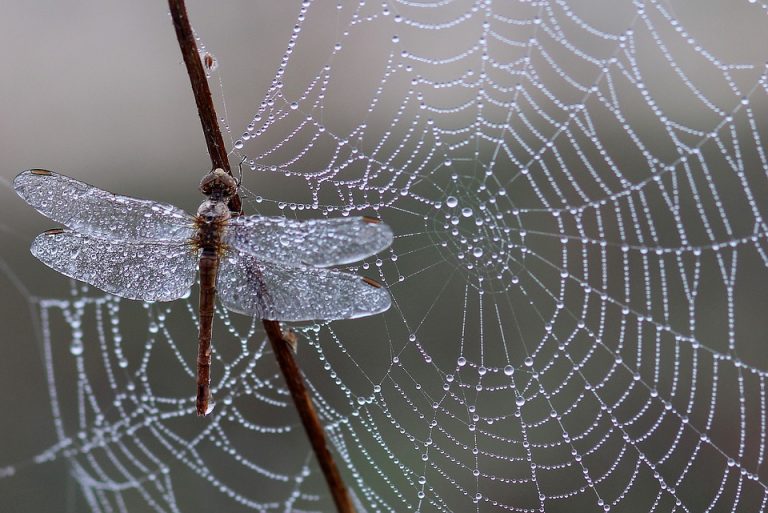
Insect populations have been steadily changing over recent years. A new study, based on 41 countries across 5 continents has found that land-based insects have been declining at a rate of 1% each year. Scientists still do not fully understand…

Scientists show the circular economy has roots in ancient history. Broken ceramics, Roman recycling and melting down glass all happened thousands of years ago. Going circular could generate as much as $4.5 trillion in economic benefits, according to the World…
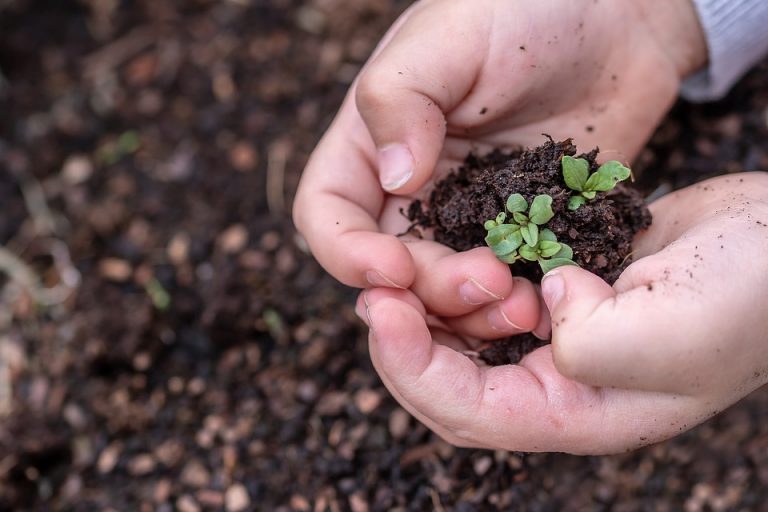
Pakistan’s government are offering labourers, who are out of work due to the coronavirus lockdown, a chance to earn money by planting trees. The project is part of Pakistan’s existing initiative to plant billions of trees to counter the effects…
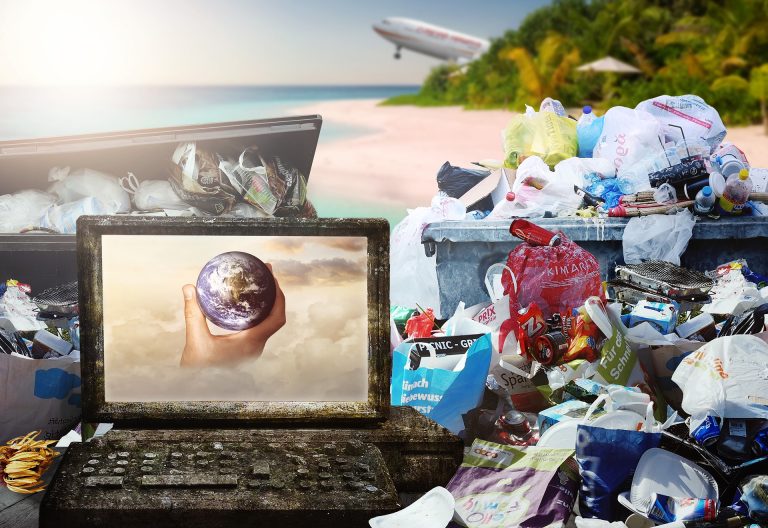
The dire social and economic impact of COVID-19 could worsen environmental destruction in the long run. But the pandemic is also teaching us how to use individual choices to tackle a global disaster. “Social learning” is a powerful tool for…
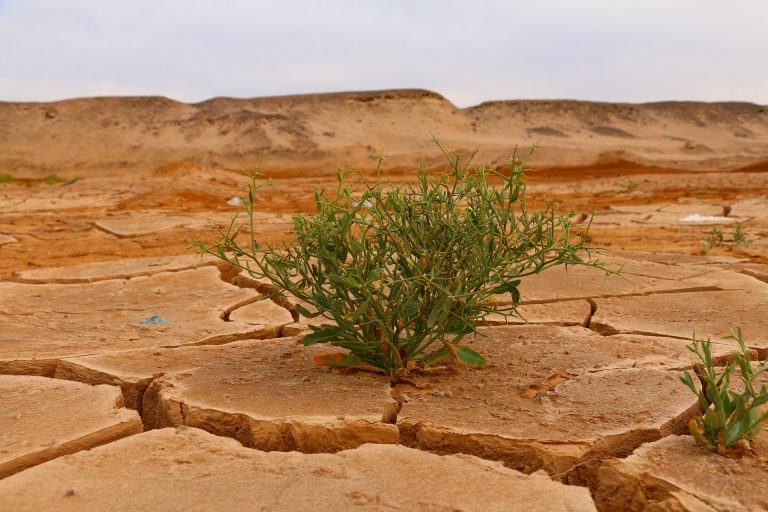
Despite the COVID-19 crisis, work is continuing apace on efforts to build resilience to the inevitable impacts of climate change. Last month, the UNFCCC’s Adaptation Committee (AC) hosted its first-ever virtual meeting, thereby showing its determination to continue delivering timely…

The Paris Agreement and NDCs 2015 was a historic year in which 196 Parties came together under the Paris Agreement to transform their development trajectories so that they set the world on a course towards sustainable development, aiming at limiting warming…
In the past, coronaviruses that circulated in humans caused only mild infections. This changed in 2002, when the SARS-CoV virus presented itself in humans as the disease we now know as SARS. In 2020, SARS-CoV-2–a relative of the same virus–has…