



Newsletter Subscribe
Enter your email address below and subscribe to our newsletter


As the United Nations Decade on Biodiversity 2011–2020 comes to a close and countries prepare to adopt a post-2020 global biodiversity framework, this edition of The State of the World’s Forests (SOFO) examines the contributions of forests, and of the…
There’s nothing new in nature. Viruses have been around for as long as plants and animals, if not longer. Most viruses are benign to humans and other animals and in fact are essential for life. Some—as humans are finding out…
The 2020 winners of a UN Environment Programme (UNEP) start-up initiative are demonstrating business solutions that will help Asia build back better and greener after the COVID-19 pandemic. The nine entrepreneurs selected by the 2020 Asia-Pacific Low Carbon Lifestyles Challenge…
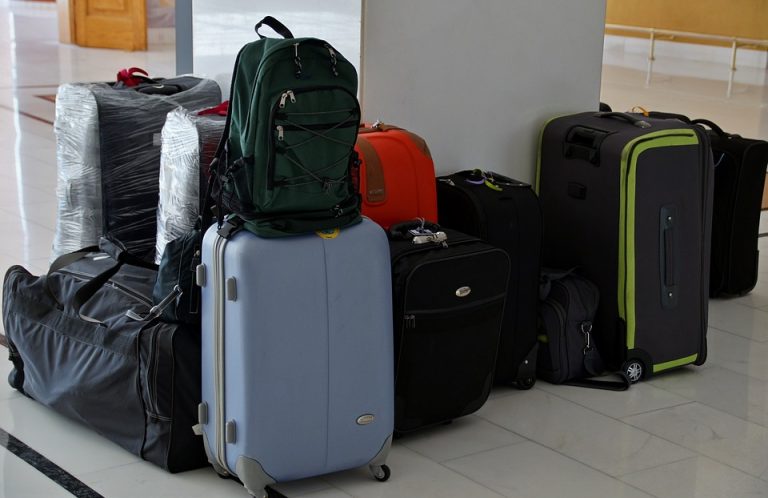
International tourism down 22% in Q1 and could decline by 60-80% over the whole year 67 million fewer international tourists up to March translates into US$80 billion in lost exports UNWTO has outlined three possible future scenarios depending on how…
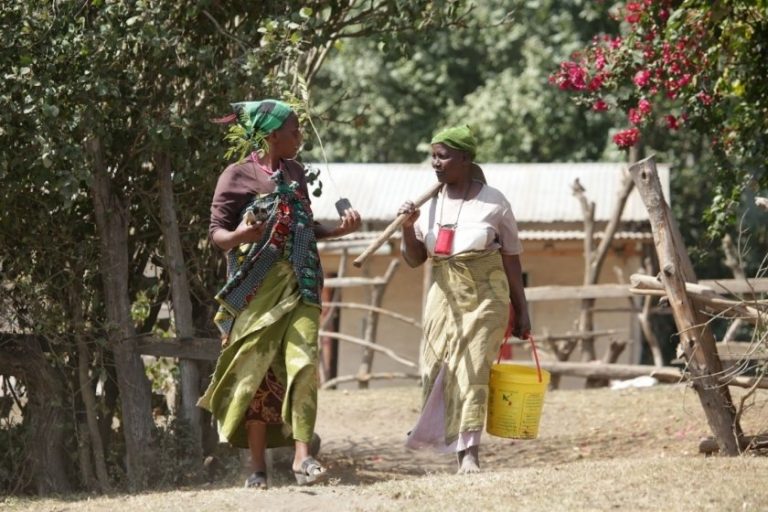
The year 2020 started with such optimism and hope for nature-based solutions and environmental sustainability. Environmental, social and governance investments were high on the agenda at Davos; the World Economic Forum launched the 1 Trillion Trees campaign, backed by Salesforce; BlackRock’s CEO…
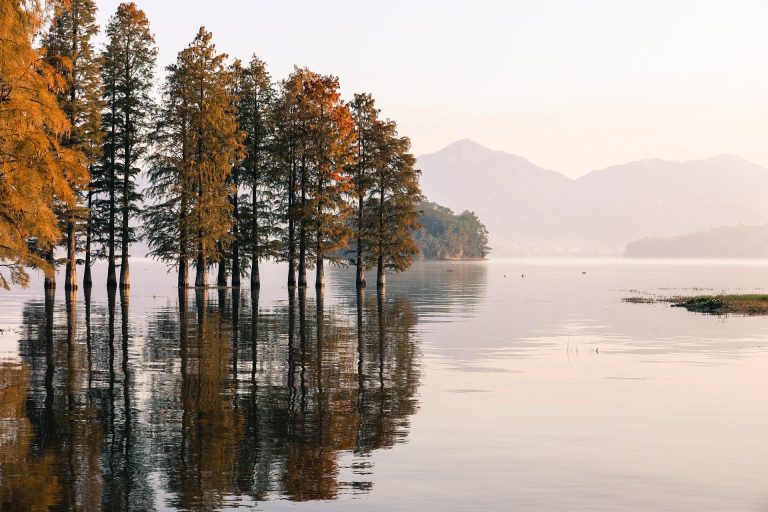
Did you know that forests cover nearly 1/3 of land globally? That’s 4.06 billion hectares. In other words, there is around 0.52 ha of forest for every person on the planet. This interactive report contains the main findings of the…
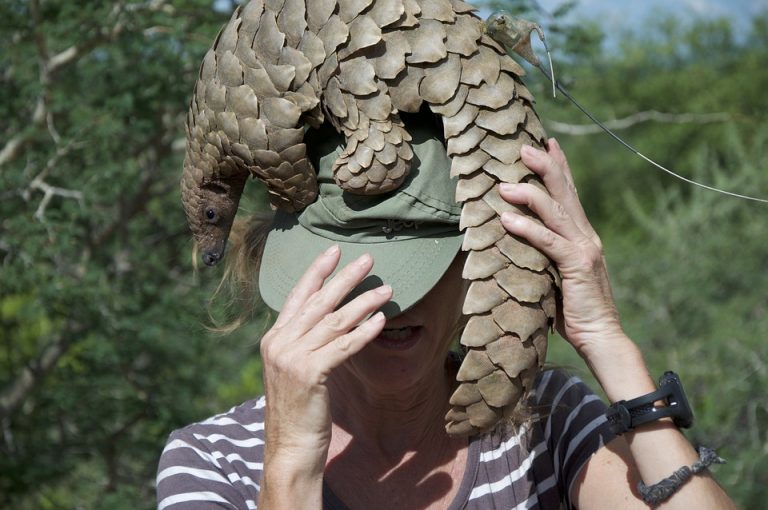
The Convention on International Trade in Endangered Species of Wild Fauna and Flora, or CITES, is an international treaty with 183 Parties–182 states plus the European Union. It is one of the oldest multilateral agreements to tackle international trade in…