Newsletter Subscribe
Enter your email address below and subscribe to our newsletter
Enter your email address below and subscribe to our newsletter

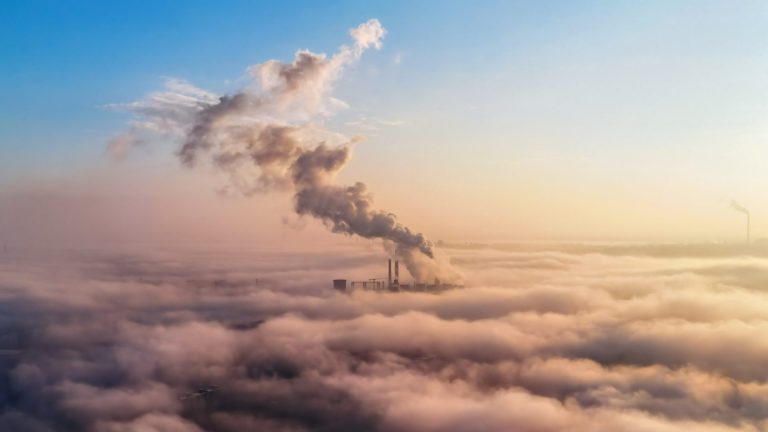
At the end of May and the beginning of June, two decrees were adopted in Serbia regulating the reduction of greenhouse gas emissions, as well as the improvement of waste reuse and recovery. The Decree on the Types of Measures…
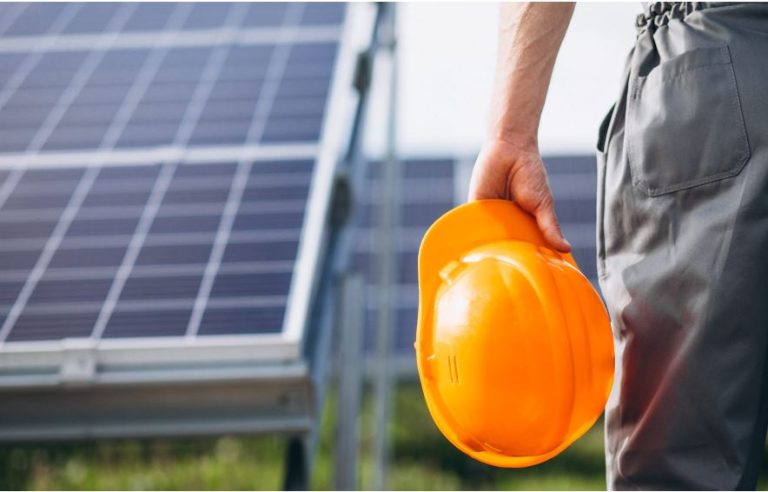
The management of construction waste in Serbia is regulated by a series of laws and by-laws, with an emphasis on the Law on Waste Management and the Regulation on the Manner and Procedure for Construction and Demolition Waste Management. These…
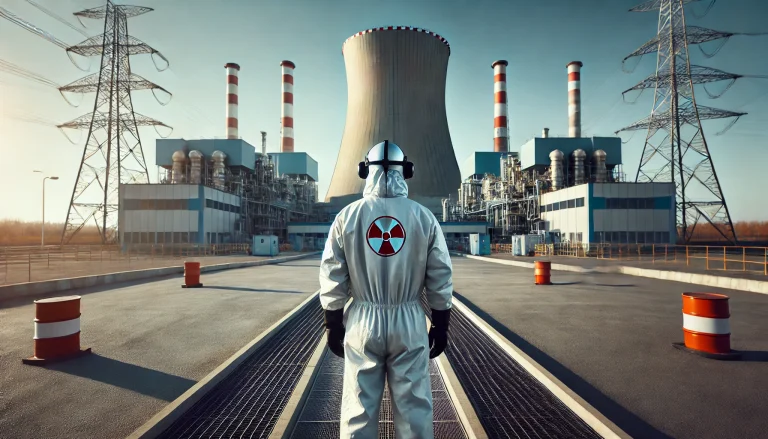
Finland has recently completed a trial run at its nuclear waste encapsulation facility, marking a significant step toward achieving a safer and more long-term solution for disposing of highly radioactive materials. This approach aims to ensure that the radioactivity decreases…
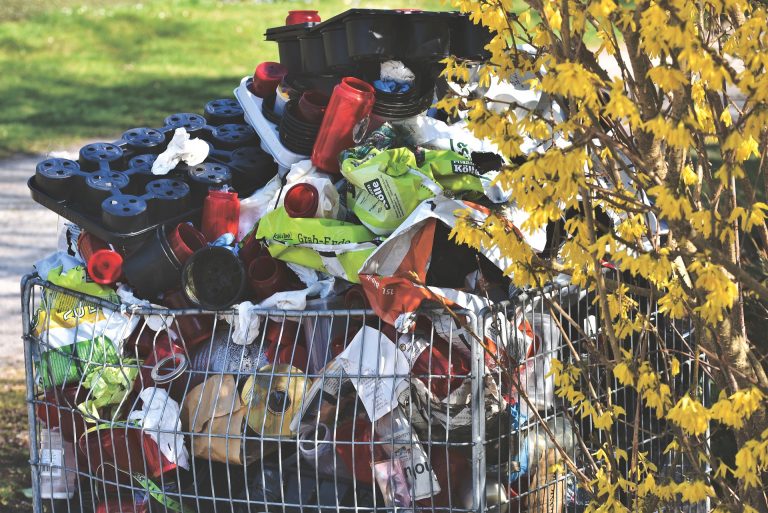
The recently presented White Paper on Waste-to-Energy in Serbia aims to provide a clear and reliable insight into all aspects of waste incineration and to address many of the questions that this technology raises. It also provides detailed information on…
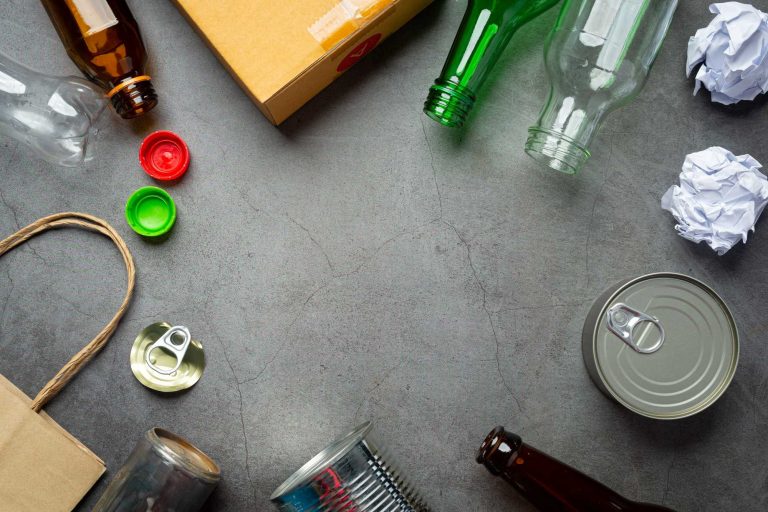
Humanity generates between 2.1 billion and 2.3 billion tonnes of municipal solid waste a year. When improperly managed, much of that refuse—from food and plastics to electronics and textiles — emits greenhouse gases or poisonous chemicals. This damages ecosystems, inflicts…
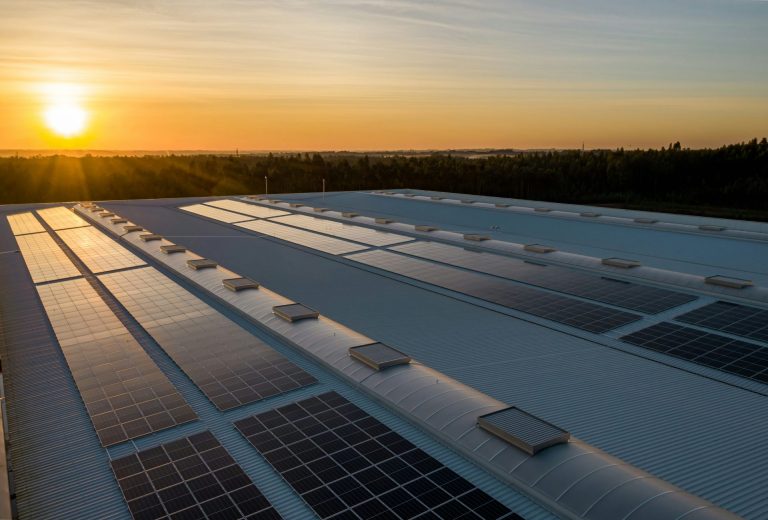
Achieving a sustainable future requires sweeping changes, making every sector greener. The generation of electricity from clean sources is one of the most significant changes required, starting with small energy consumers and moving to large ones. The public utility company…

Interview with Keith Alverson, Director of the United Nations Environment Programme (UNEP) International Environmental Technology Centre in Osaka, Japan. The Centre has produced a Compendium of Technologies for Treatment/Destruction of Healthcare Waste, a scientific and practical publication covering all aspects…