

Newsletter Subscribe
Enter your email address below and subscribe to our newsletter
Enter your email address below and subscribe to our newsletter


The EEA briefing ‘How far is Europe from reaching its ambition to double the circular use of materials?’ shows that, in 2021, about 11.7 percent of all materials used in the EU came from recycled waste, up from 8.3 percent…

NRDC (Natural Resources Defense Council), World Wildlife Fund (WWF), the Harvard Law School Food Law and Policy Clinic (FLPC), and ReFED have partnered to launch the Zero Food Waste Coalition, a national effort focused on informing and influencing policy at…
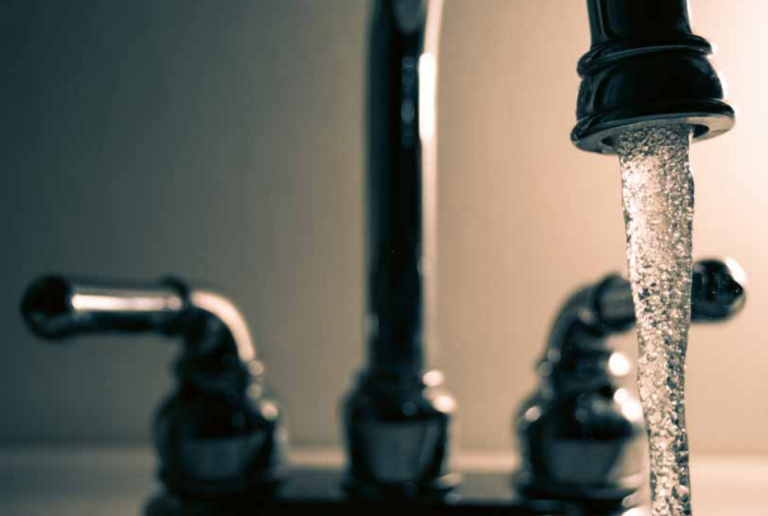
There is increasingly less drinking water on our planet, and serious global conflicts over drinking water are looming on the horizon, as the global crisis is already widely present due to the increasingly difficult provision of the basic needs of…
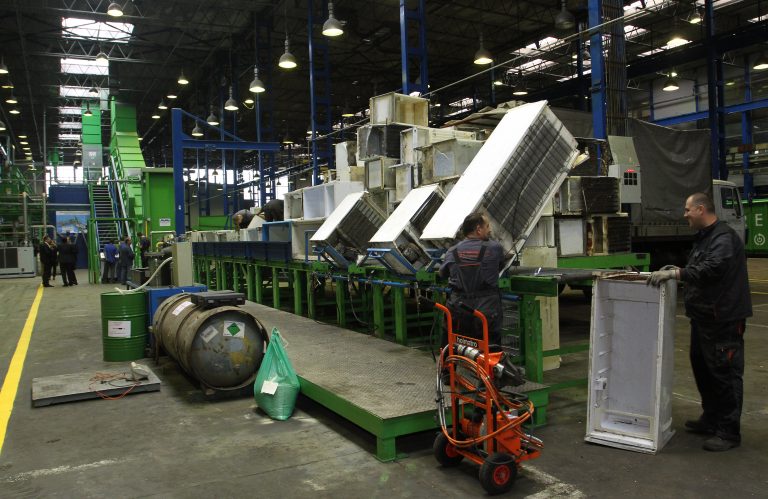
The origin, composition or concentration of dangerous substances that can cause danger to the environment and human health determine the categorization of an object as hazardous waste. Products that become special waste streams after use include tires, batteries and accumulators,…

As the world searches for ways to counter the climate crisis, experts are turning to food systems for solutions. Research from the IPCC shows that food loss and waste is responsible for a staggering eight-10 per cent of global greenhouse…
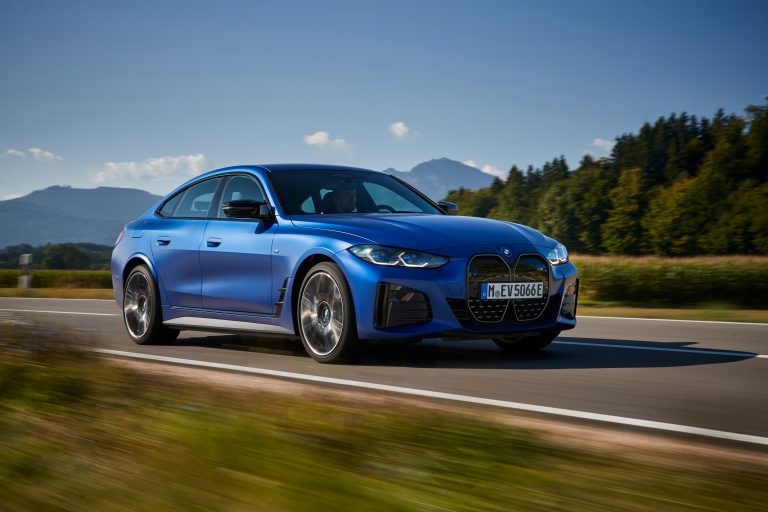
The BMW Group is using innovative technologies in its efforts to improve sustainability and taking advantage of new options to conserve resources and reduce emissions from painting bodywork. The BMW Group is the first automotive manufacturer worldwide to use matt…
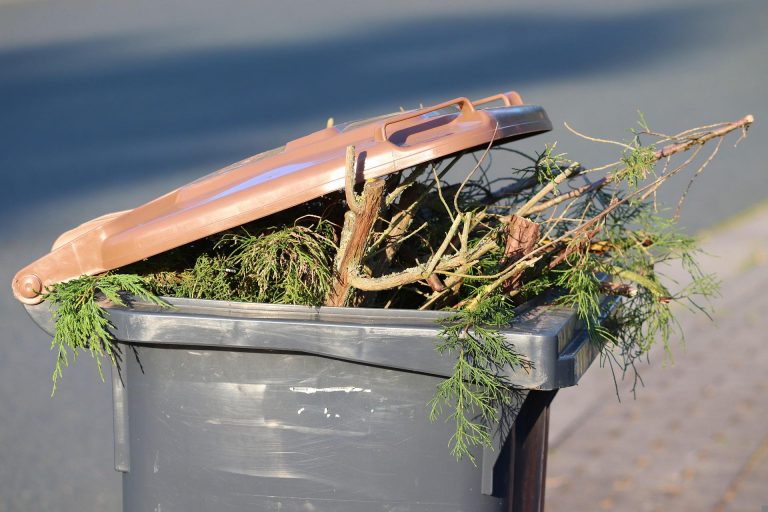
The collection and recycling of bio-waste is key in the development of a sustainable society. After all, we’ll always produce some sort of organic waste, such as food or garden waste. When dumped in landfills, this type of waste decomposes…