


Newsletter Subscribe
Enter your email address below and subscribe to our newsletter


Food markets will face many more months of uncertainty due to COVID-19, but the agri-food sector is likely to show more resilience to the pandemic crisis than other sectors, according to a new report released by the Food and Agriculture…
Seagrass meadows can be a powerful nature-based climate solution and help sustain communities hard-hit by stressors such as the COVID-19 pandemic, but these important ecosystems continue to decline. The importance of seagrasses is highlighted in a new report, Out of…
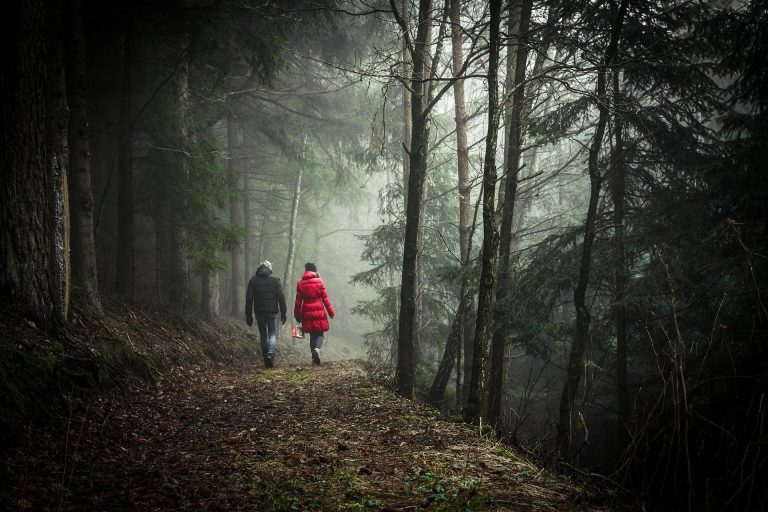
As the United Nations Decade on Biodiversity 2011–2020 comes to a close and countries prepare to adopt a post-2020 global biodiversity framework, this edition of The State of the World’s Forests (SOFO) examines the contributions of forests, and of the…
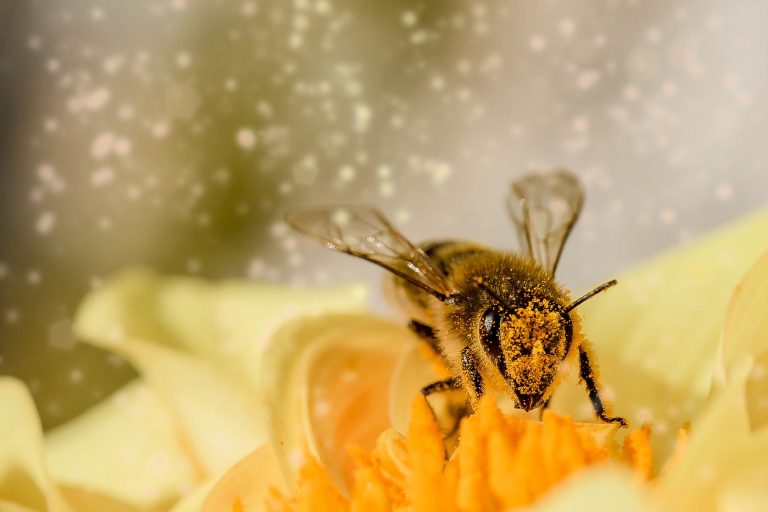
There’s nothing new in nature. Viruses have been around for as long as plants and animals, if not longer. Most viruses are benign to humans and other animals and in fact are essential for life. Some—as humans are finding out…
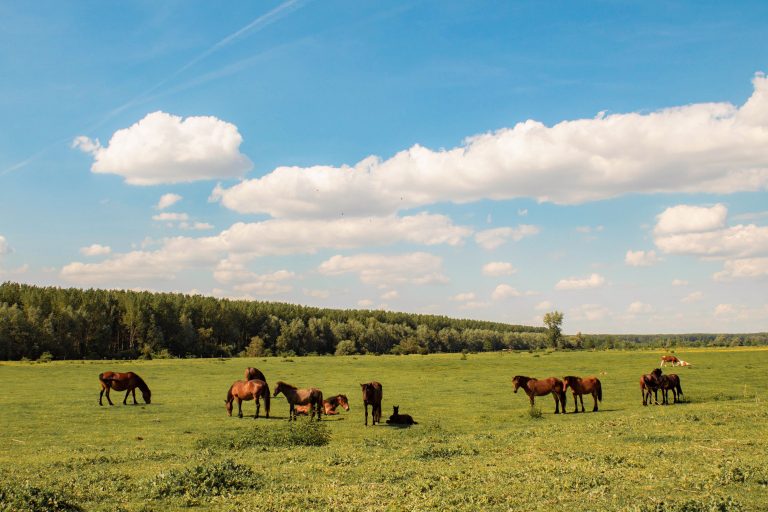
We talked to Branislav Nedimovic, the Minister of Agriculture, Forestry and Water Management of the Republic of Serbia about the greatest potentials of Serbian agriculture, how to mitigate the effects of climate change and increase the yields, whether a new…
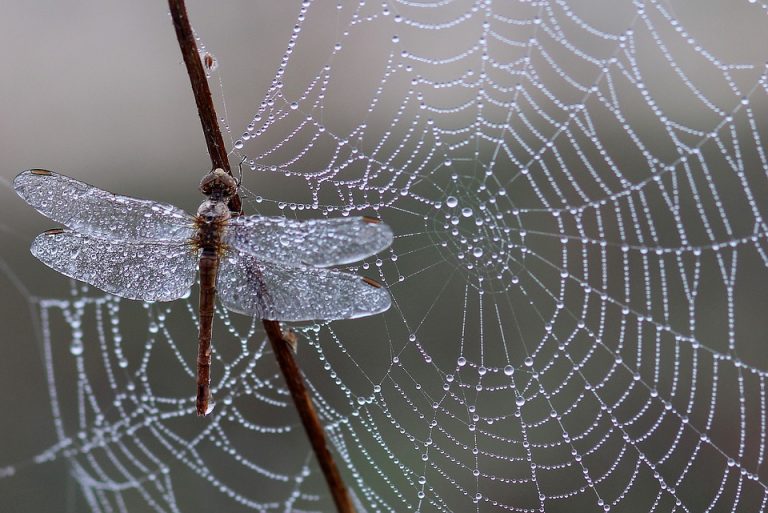
Insect populations have been steadily changing over recent years. A new study, based on 41 countries across 5 continents has found that land-based insects have been declining at a rate of 1% each year. Scientists still do not fully understand…

In the past, coronaviruses that circulated in humans caused only mild infections. This changed in 2002, when the SARS-CoV virus presented itself in humans as the disease we now know as SARS. In 2020, SARS-CoV-2–a relative of the same virus–has…