
Newsletter Subscribe
Enter your email address below and subscribe to our newsletter



Europe is at a pivotal moment in its energy transition, where the pace of renewable energy deployment has become crucial for the continent’s economic competitiveness and energy security. The new CEO of WindEurope, Tinne Van der Straeten, takes the helm of the leading European wind energy association at a time when the sector must significantly accelerate the deployment of new capacity, strengthen its industrial supply chain, and support the electrification of the economy. In this interview, she discusses her key priorities, the challenges facing the European wind industry, the need for a stable regulatory framework and stronger investment, as well as the role that the Western Balkans can play in Europe’s future energy architecture.
Q: You are taking over the leadership of WindEurope at a moment you described as defining for Europe. What will be your key priorities as the new CEO, and what do you see as the biggest challenges for the European wind energy sector in the next three years?
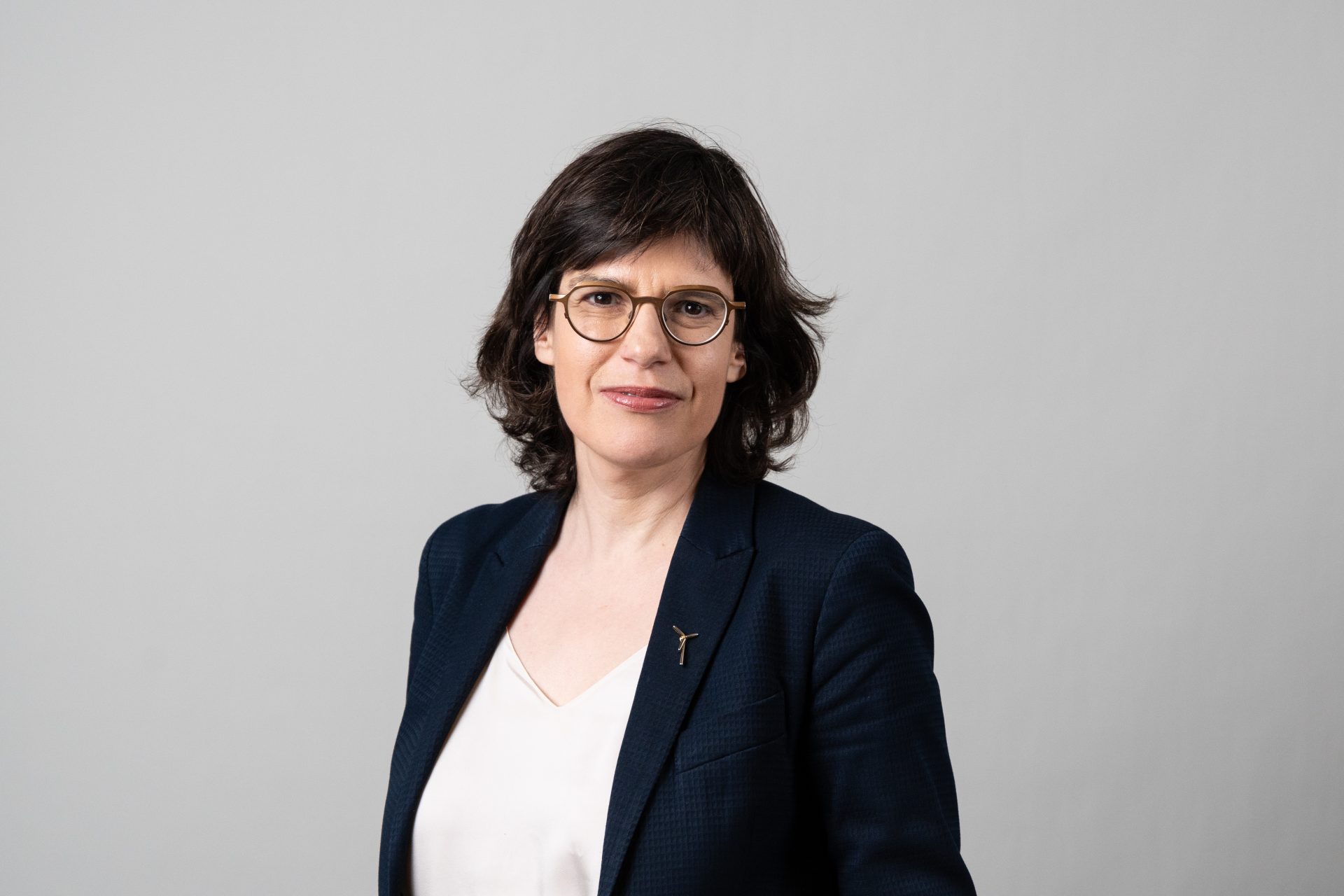
A: I am taking over at a moment when Europe needs clean electricity faster than ever. My priority is simple: get wind built. We need more deployment, more electrification, and more volume across the entire supply chain. Clean energy investments must accelerate, and Europe must build as much wind capacity as possible to strengthen competitiveness and security. The biggest challenge will be to move forward without drama: avoid reopening the legislation that has been agreed upon, focus on implementing and using the tools already at our disposal, and address grievances and issues as they arise.
Q: You highlighted that wind energy could save Europe up to €1.6 trillion compared to fossil-based systems. Do you believe policymakers fully understand the significance of these savings and how WindEurope plans to make these economic benefits more visible and comprehensible to both the public and decision-makers?
A: I believe policymakers increasingly understand the significance of these savings. At the Industry Summit in Antwerp, European industry and EU leaders recognized that affordable energy must be at the heart of Europe’s competitiveness, and wind will be central to that. But the missing piece is electrification: heavy industry needs to electrify much faster, and governments must help de‑risk those investments and align supply and demand. The North Seas Summit in Hamburg was another sign that politicians see the value of homegrown, cheap and clean energy. From our side, WindEurope is doing everything to make the benefits crystal clear. A renewables‑based system is still the cheapest option, even when you include grids and backup. Delaying action will only make Europe pay more. The cumulative €1.6 trillion savings by 2050 are equivalent to Europe’s annual healthcare spending, about 9 percent of the EU’s GDP. That’s what’s at stake.
Q: Installing only 13 GW of new wind capacity in 2025 – less than half of what is needed – shows that Europe is falling behind its own targets. What do you see as the main causes of this slowdown, and how can the permitting process and grid infrastructure development be improved?
A: Getting the most from wind energy still depends on European policymakers doing a few essential things. First, they need to fully apply the new EU permitting rules. These rules work extremely well: Germany is now permitting seven times more onshore wind than five years ago, which shows how powerful they can be when implemented properly. Policymakers also need to remove the barriers that are slowing electrification. Industry should be allowed to use state aid to sign renewable Power Purchase Agreements, including for offsite power. And governments should cut non energy taxes and charges from electricity bills so that choosing renewables becomes the obvious and affordable option for consumers. Another key challenge is investment risk. The sector needs a stable pipeline of two sided Contract for Difference auctions. Contracts for Difference reduce the cost of capital, give long term revenue visibility, and offer good value for governments. Without them, it is harder for companies to plan and invest with confidence. Finally, Europe must support and strengthen its wind supply chain. A strong industrial base is essential for strategic autonomy, competitiveness, and economic growth. If Europe wants to stay a world leader in wind, it needs to keep building this capacity at home.
Interview by Milena Maglovski
Read the whole interview in Energy portal Magazine ECOMOBILITY