

Newsletter Subscribe
Enter your email address below and subscribe to our newsletter


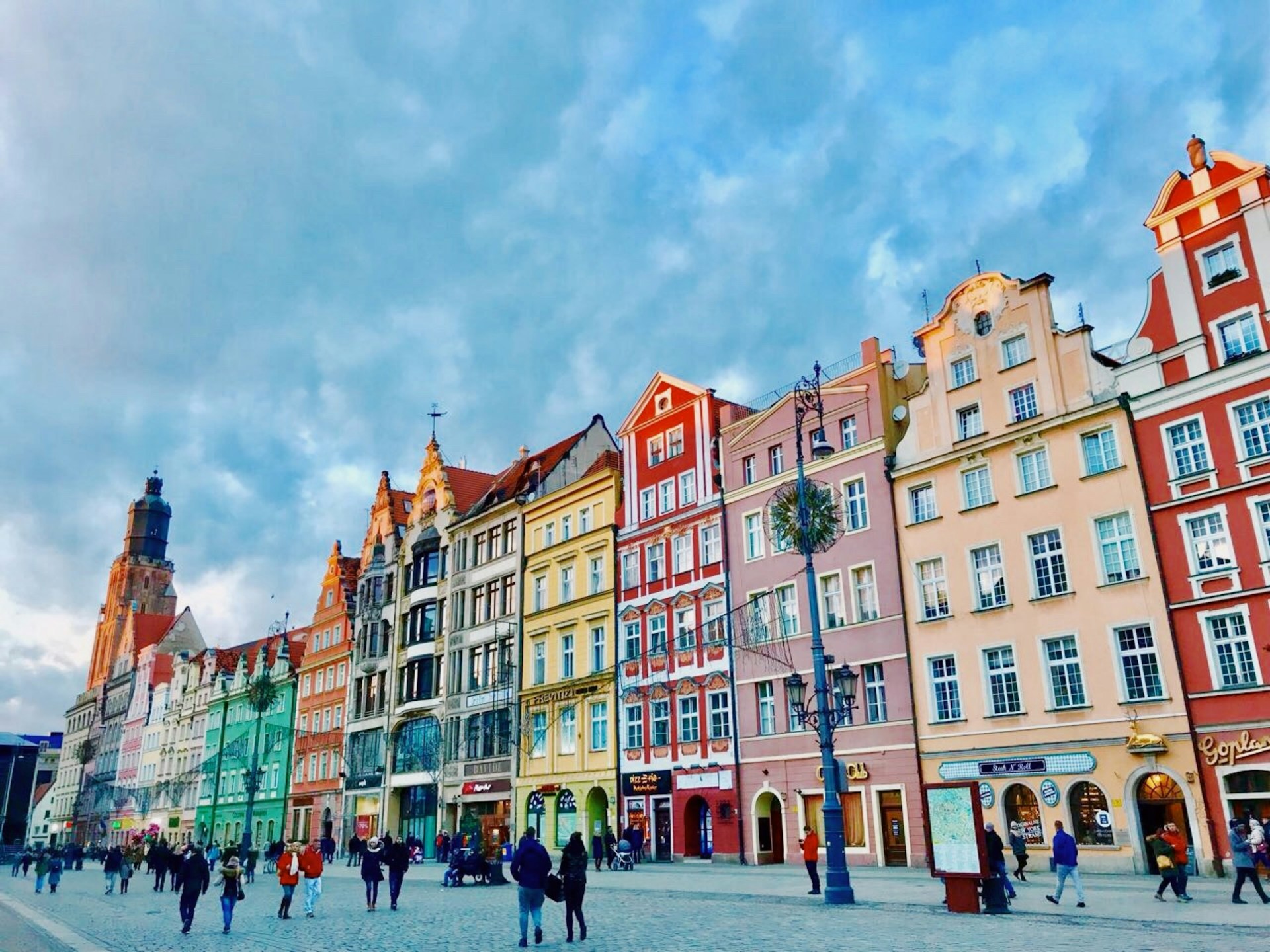
In recent years, Poland has been rapidly developing its renewable energy sector. A country long reliant on coal is increasingly investing in modernizing its power grid and integrating clean energy sources. An overview of the country’s current energy landscape, its key challenges, and other important developments in the energy sector was provided by Wojciech Skrobis´, Chargé d’Affaires a.i. at the Embassy of the Republic of Poland in Bosnia and Herzegovina.
Q: Poland has for many years been one of the European countries most dependent on coal. What does the transformation of its energy sector look like today, and what are the key steps in the transition toward cleaner energy sources?

A: Poland has been implementing measures aimed at the gradual phase-out of coal for many years, although this remains a challenging process due to the significance of the mining sector and the scale of employment it provides. Production is maintained in mines where it remains economically viable (primarily focusing on lignite), while unprofitable mines are being gradually closed. For the past two decades, the share of clean energy sources in Poland’s energy mix (including hydropower, wind, and geothermal energy) has been steadily increasing.
This process has been supported by state funds and European Union financing. It is based on both large-scale projects (such as wind farms) and support for prosumers. Poland’s energy transition is increasingly shifting its focus from energy generation itself toward areas traditionally managed by engineers and system operators—namely, energy infrastructure and grid development. The most significant challenge the Polish government faces is the construction of a nuclear power plant. Poland first began building a nuclear power plant in the 1980s, but construction was halted following the Chernobyl disaster in 1986. Today, however, in cooperation with the United States, a new plant is being developed in the north of the country, based on the safest available technologies.
Q: In recent years, Poland has recorded dynamic growth in solar and wind power. What has contributed most to this growth, and what are the plans moving forward?
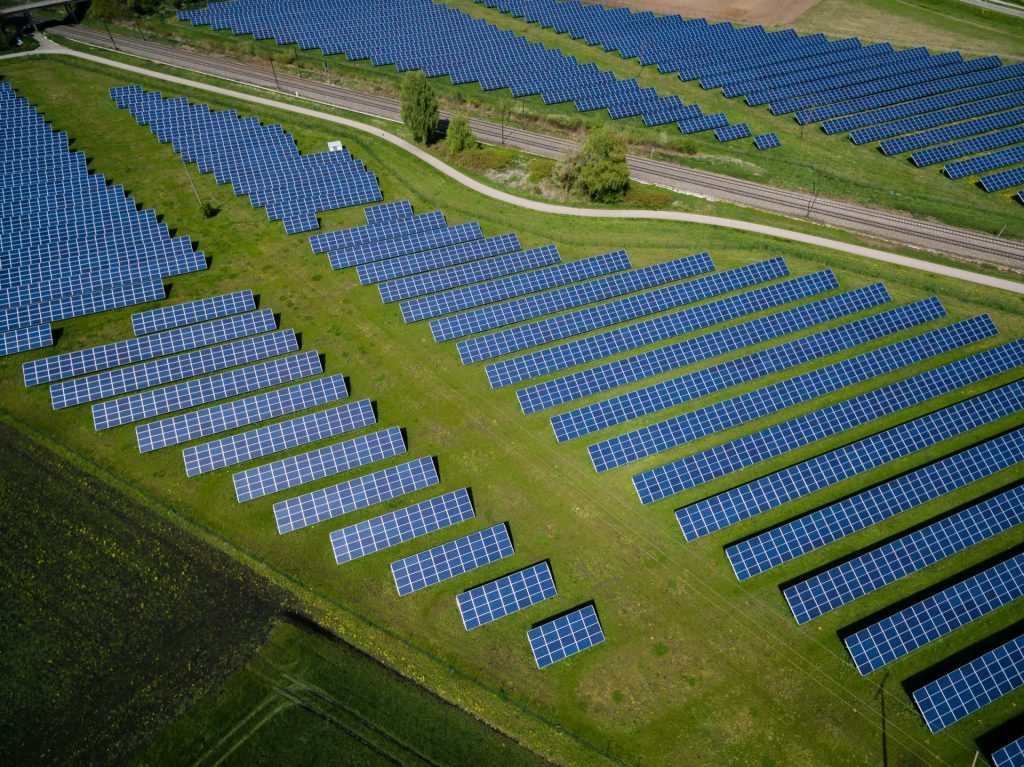
A: In recent years, the dynamic expansion of solar and wind energy in Poland has primarily been driven by regulatory changes, such as the liberalization of the 10H rule (minimum distance from residential buildings equal to 10 times the height of the wind turbine), which has increased the availability of sites for investment and unlocked the development of large-scale projects exceeding 30 MW. At the same time, declining technology costs and improved economic viability of renewable energy sources have made wind power one of the most cost-competitive sources in the country. Meanwhile, photovoltaics—particularly large-scale solar farms—have begun to dominate newly connected capacities, surpassing the previously leading segment of prosumer micro-installations. The development of photovoltaic systems has also been supported by public programs such as “My Electricity” (Mój Prąd), tax incentives, and the European Union’s climate targets, all of which have stimulated demand for renewable energy investments. Significant support has also been provided through national and local funding mechanisms, including state budget allocations and EU funds.
A particular challenge has been the adoption of regulations enabling electricity generation by individual consumers (prosumers). At the same time, ensuring the power system’s resilience is becoming increasingly challenging, as the grid must be strengthened to prevent energy losses and accommodate growing renewable capacity. For renewable energy to continue developing, financing must go hand in hand with an adequate legislative framework. Paradoxically, drafting and adopting high-quality regulations is often the more difficult part of the process. Renewable energy projects are economically viable, making investment capital relatively accessible; however, the legislative process frequently encounters resistance from various interest groups that perceive renewables as a threat. In the coming years, Poland plans to expand its wind energy capacity further, aiming to reach approximately 16 GW by 2030, in line with its National Energy and Climate Plan. This includes both onshore and offshore wind projects. In the solar sector, projections indicate growth in installed capacity to 27–30 GW by the end of 2026, and up to 33–35 GW by 2027, with an increasing share of large-scale solar farms and a shift in market structure toward projects exceeding 1 MW.
Q: One of Poland’s most ambitious energy projects is the development of offshore wind farms in the Baltic Sea. What is the potential of this sector, and what role will it play in Poland’s energy mix?
A: In addition to its tourism potential, reflected in its beautiful sandy beaches, Poland’s maritime area represents a vast reservoir of energy. Following the example of other Baltic countries, Poland aims to harness wind energy. With more than 500 km of coastline, many areas are particularly well-suited for wind power development. The offshore wind sector in the Baltic Sea holds significant, strategically important potential for Poland, both in terms of available wind resources and in its future role in the country’s energy mix. Its technical potential is estimated to be among the highest in the region. According to analyses by the Supreme Audit Office, Poland’s offshore wind potential could reach approximately 28 GW by 2050, accounting for more than one-third of the Baltic Sea’s total potential.
Currently, offshore wind farms do not yet contribute to Poland’s energy generation, as they have not been commissioned. According to data from the Polish Power Grid Company (PSE), as of the end of February 2025, the total installed wind capacity in Poland amounted to 10.85 GW, all of which comes from onshore wind farms, with no offshore capacity yet connected to the system. The first offshore wind projects—Baltic Power (2026) and Baltica 2 (2027)—are expected to contribute to the energy mix with a combined capacity of approximately 2.7 GW. However, their generation will only be reflected in the system once these projects become operational.
Interview by Jasna Dragojević
Read the whole interview in Energy portal Magazine ECOMOBILITY