



Newsletter Subscribe
Enter your email address below and subscribe to our newsletter


The cost of bacon and sausages would double if the harm they cause to people’s health was taken into account. Taxing red meat would save many lives and raise billions to pay for healthcare, according to new research. It found…
Some experts say scaling down inspections is likely to lead to more consumers being infected with campylobacter. Millions of chickens could soon be sold across the EU without being individually inspected for contamination or signs of disease after being killed,…
Wetlands around the world are disappearing at an alarming rate. New research shows that these valuable ecosystems are vanishing at a rate three times that of forests. Unless significant changes are made, the disappearance of wetlands could cause severe damage…
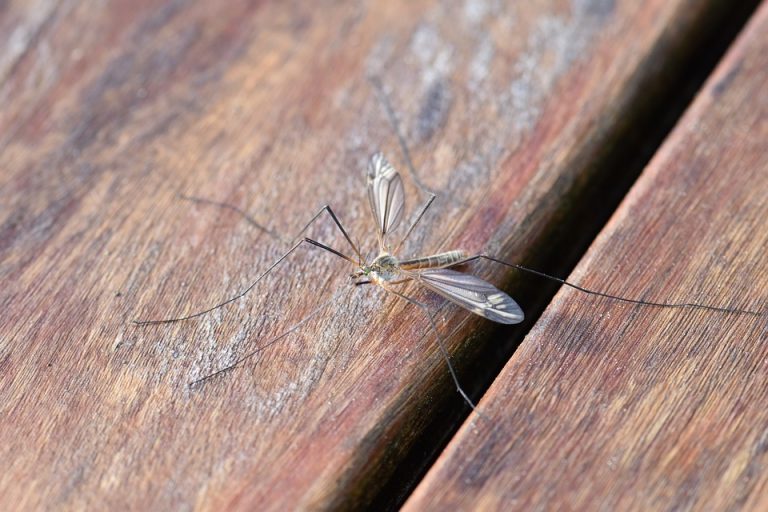
Microplastics, which get gobbled up by whales, deep-sea fish and plankton, have also turned up in the bodies of mosquitoes, scientists have revealed. The research, published Wednesday in the journal Biology Letters, is the first to show that bits of…

Climate change and extreme weather conditions such as droughts and floods are among the key drivers behind the rise in global hunger. The warning from the UN’s Food and Agriculture Organisation (FAO) comes in a new report, which adds changes…
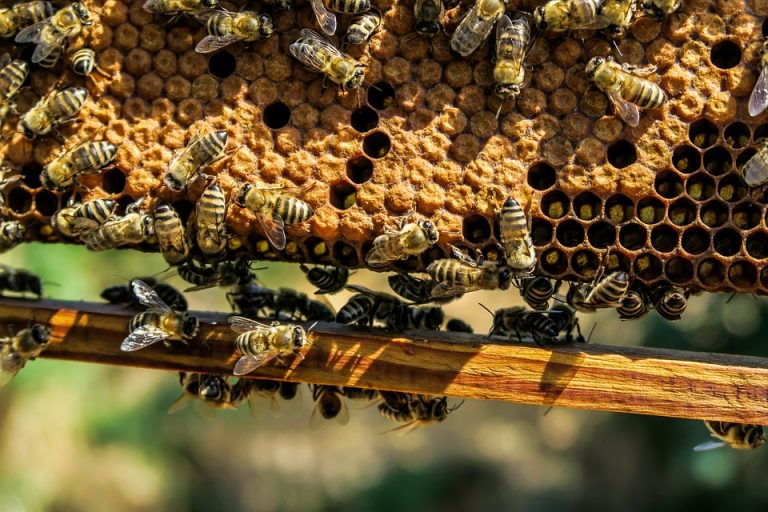
Bees have developed a likening to pesticide-containing plants, according to a recent study. The affinity exhibited by the bees is similar to an addiction to nicotine from cigarettes. Apparently, the more pesticide-laced pollen that the bees ingest, the more they…
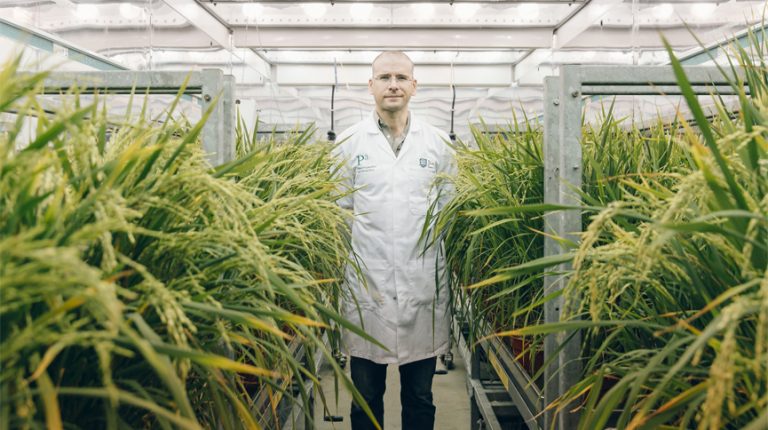
One of the most advanced plant growth facilities in the world, which is helping scientists to enhance our understanding of how crops are being affected by climate change and disease, is set to become more sustainable thanks to new funding.…