




Regeneration: Tailings That Have Become a Resource for Sustainability
Share
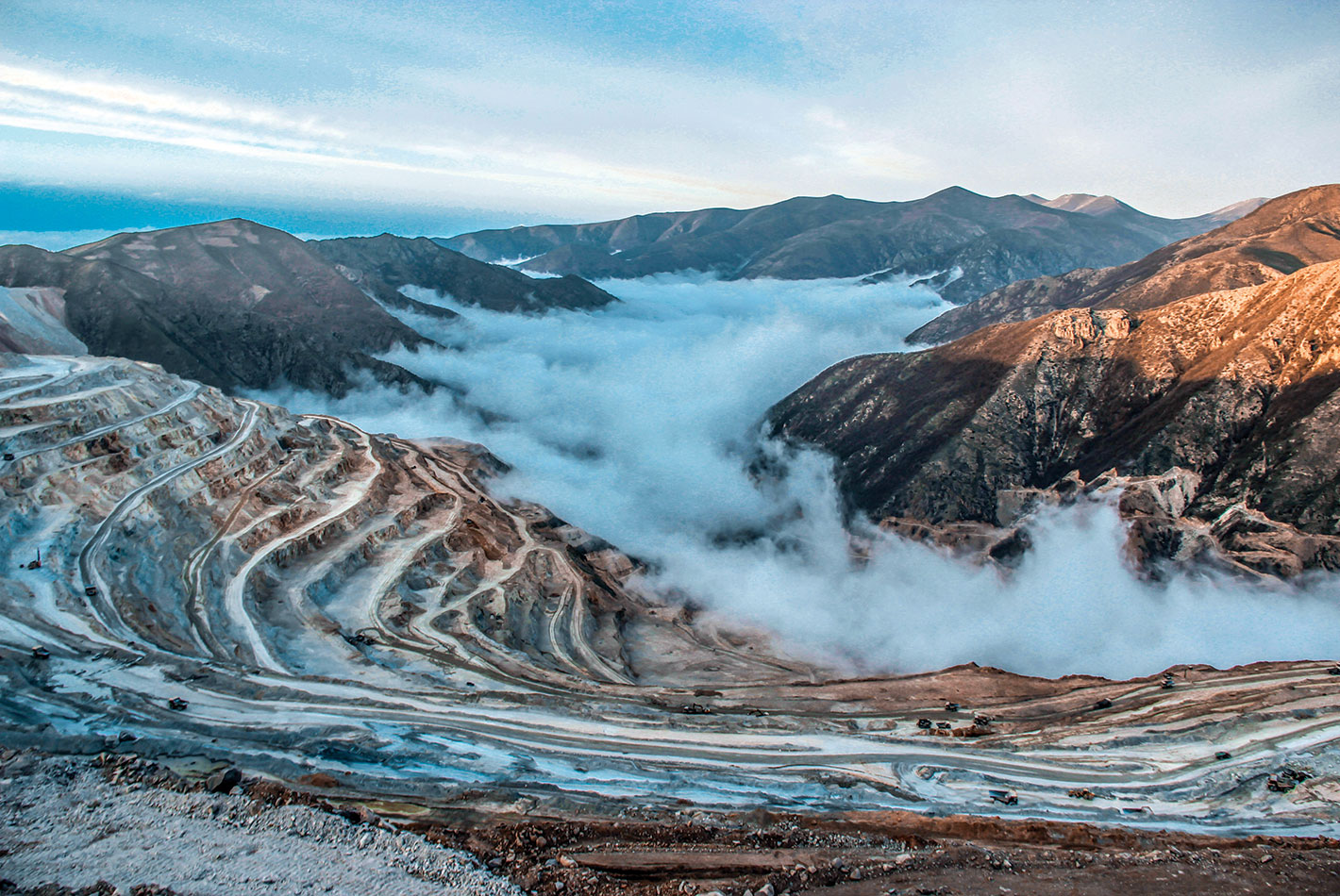
In a place where the law ceases to operate and responsibility remains buried beneath mining waste, a story emerges about the convergence of industry and nature. Mineral extraction brings economic value and a luxury accessible only to the selected few, while the resulting debt is borne by nature and local communities.
The circular economy has opened a new perspective on waste – encouraging us to recognize it as a resource. Although the modern world is increasingly finding more sustainable solutions, their true value depends on the broader picture – how they are created and the impact they leave throughout their entire life cycle. The development of renewable energy sources, such as solar and wind power plants, geothermal systems, and energy storage systems, requires enormous quantities of minerals. However, if these processes are not sustainable, their environmental objective may be undermined by adverse impacts on the environment. This growing demand for minerals further intensifies the pressure on their extraction, deepening already existing environmental and social challenges.
Regeneration – an international social enterprise based in the United States, originating from the non-profit organization RESOLVE – has directed its work precisely toward obtaining the necessary minerals in a more responsible way. They are writing a different story: the required minerals can be found exactly where we least expect them – in old mines. As they explained, more than 3 billion tons of these resources will be needed to further develop renewable energy sources. Therefore, the team from this social enterprise reprocesses existing mining waste, namely tailings and residues from previous extraction, to recover remaining minerals and metals.
Although they are not the first to engage in such processes, Regeneration highlights an important distinction compared to others. In addition to collaborating with responsible companies that purchase minerals and metals obtained from mining waste, they go a step further: they reinvest the funds they generate to restore these sites. Through cooperation with governments, mining companies, technology manufacturers, and local and Indigenous communities, Regeneration develops specific methods to extract remaining minerals from abandoned mines and restore degraded land, thereby restoring its ecological and social value. The moment of restoration is precisely what sets them apart from other companies engaged in re-mining abandoned sites. Restoration is not a mere formality – it is built through dialogue with local communities and their needs.
IN FOCUS:
- Petromasculinity – Defending the Fossil Fuel Industry as an Expression of Male Identity
- The Future of Transport in Croatia from the Perspective of the HUEM Association
- E-Mobility in Slovenia: Home Charging as the Key to Inclusive E-Mobility
Mining Waste – Challenge and Potential
After the completion of the extraction process, mines are often abandoned without implementing closure and site restoration measures. Instead, mining waste remains at these locations, carrying numerous risks. Pollution may originate from tailings and waste material, and depending on the type of ore, heavy metals and chemicals may be present. One of the most significant issues highlighted by Regeneration is the so-called acid mine drainage. It occurs when mineral-rich mining waste, such as pyrite, comes into contact with water and air, triggering a chemical reaction that produces highly acidic water. This water can pick up heavy metals and other harmful substances and transport them into soil, rivers, and groundwater. Estimates show that there are approximately 1.8 million abandoned mining sites in the United States, while in Australia, this number is around 50,000. One of the reasons why mines are left without remediation is the high cost of this process, which is globally estimated in the billions of dollars.
Such an approach to mines affects not only nature – large areas remain unused, and local communities miss the opportunity to use them for beneficial purposes. However, mining waste also contains a significant untapped resource – minerals and metals that remained after extraction. Estimates by the International Council on Mining and Metals (ICMM) indicate that more than nine million tons of tailings were produced worldwide in 2018 alone. In the United States, nearly all demand for critical minerals could be met by using by-products from existing mining operations, where metals such as cobalt, lithium, copper, platinum, and tellurium can be found.
Regeneration is currently considering dozens of locations worldwide. The extraction of precious metals from tailings can contribute to the development of technologies such as catalysts, fuel cells, or green hydrogen.
Like a golden necklace adorning the neck, the Salmon Gold initiative, launched in 2018, represents the crowning achievement of this social enterprise. It originated from the idea that gold can be extracted from existing mining waste in streams and riverbeds, with revenue from gold sales used to restore these sites, while its customers remain confident that they are supporting responsible business practices. Although the process of extracting gold from sediment can damage fish habitats and hinder migration and spawning, Salmon Gold is committed to changing this. At locations where mining previously took place, after gold extraction, habitats important for salmon, grayling, and other species are restored, vegetation is replanted, sites are cleaned, and new spawning pools are created. RESOLVE advocates for ensuring that this responsible approach to mining does not remain limited to the scope of their own activities. Therefore, this organization also publishes expert documents (White Papers) that provide guidelines and tools for achieving a more responsible relationship toward mining and nature. These documents are intended for decision-makers, institutions, and experts to enable the implementation of responsible practices worldwide.
Prepared by Katarina Vuinac
The story was published in Energy portal Magazine ECOMOBILITY