


Newsletter Subscribe
Enter your email address below and subscribe to our newsletter


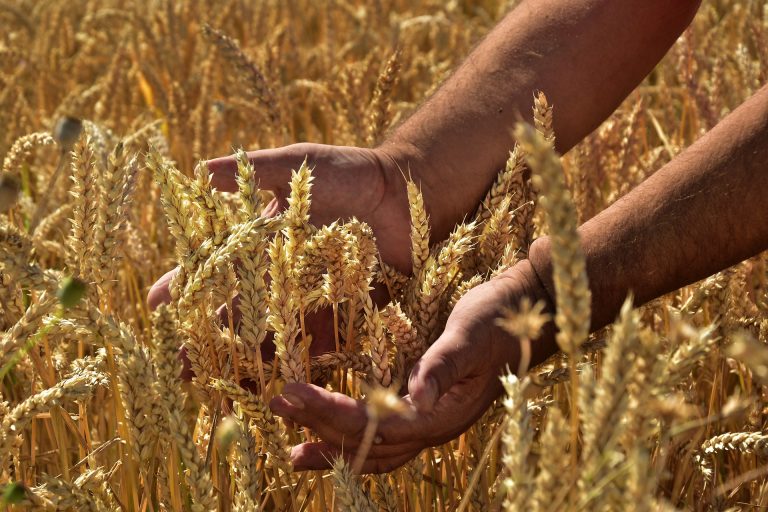
Plant disease surveillance, improved detection systems, and global predictive disease modeling are necessary to mitigate future disease outbreaks and protect the global food supply, according to a team of researchers. Plant diseases don’t stop at national borders and miles of…

A total investment in nature of USD 8.1 trillion is required between now and 2050 – while annual investment should reach USD 536 billion annually by 2050 – in order to successfully tackle the interlinked climate, biodiversity, and land degradation…
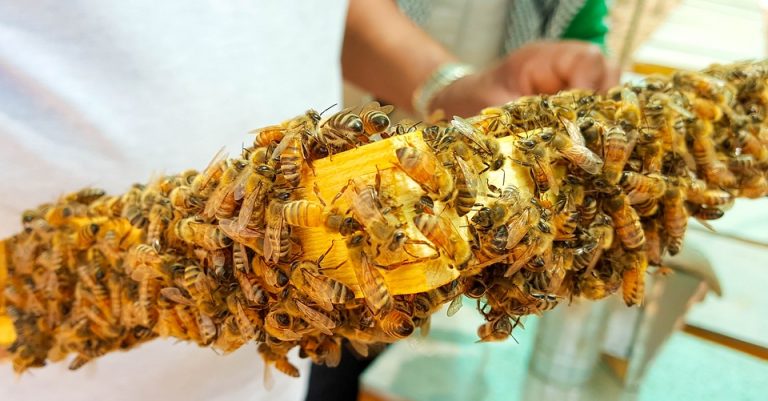
Bees and other pollinators are increasingly under threat from human activities. To raise awareness of the importance of pollinators and their contribution to sustainable development, the UN marks May 20 as World Bee Day. This year, the United Nations Environment…
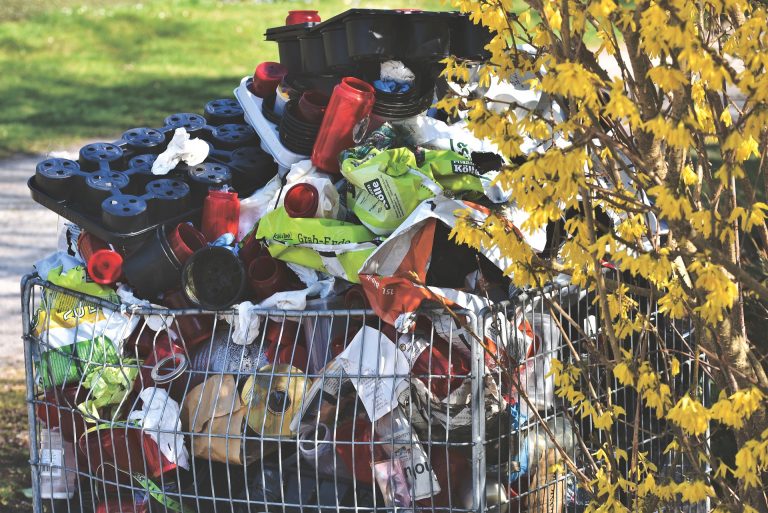
If you think recycling as much as possible is the best way to cut your carbon footprint – think again. It’s actually a fair way down the list. Having fewer children is one of the most effective actions in reducing…
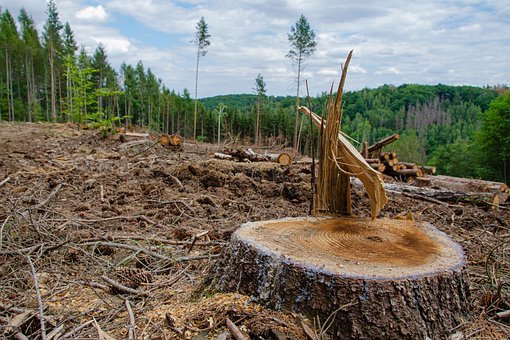
A group of 15 international organizations working on forestry today issued a joint statement highlighting the need to halt the destruction of the world’s forests. The Collaborative Partnership on Forests (CPF) comprises UN agencies including the UN Environment Programme, the…

Food, water, medicine, energy: the planet’s ecosystems provide the essentials of life, so long as they’re taken care of. Unfortunately, that hasn’t been happening. During the last several decades, human development has pushed many of the world’s forests, savannahs and…
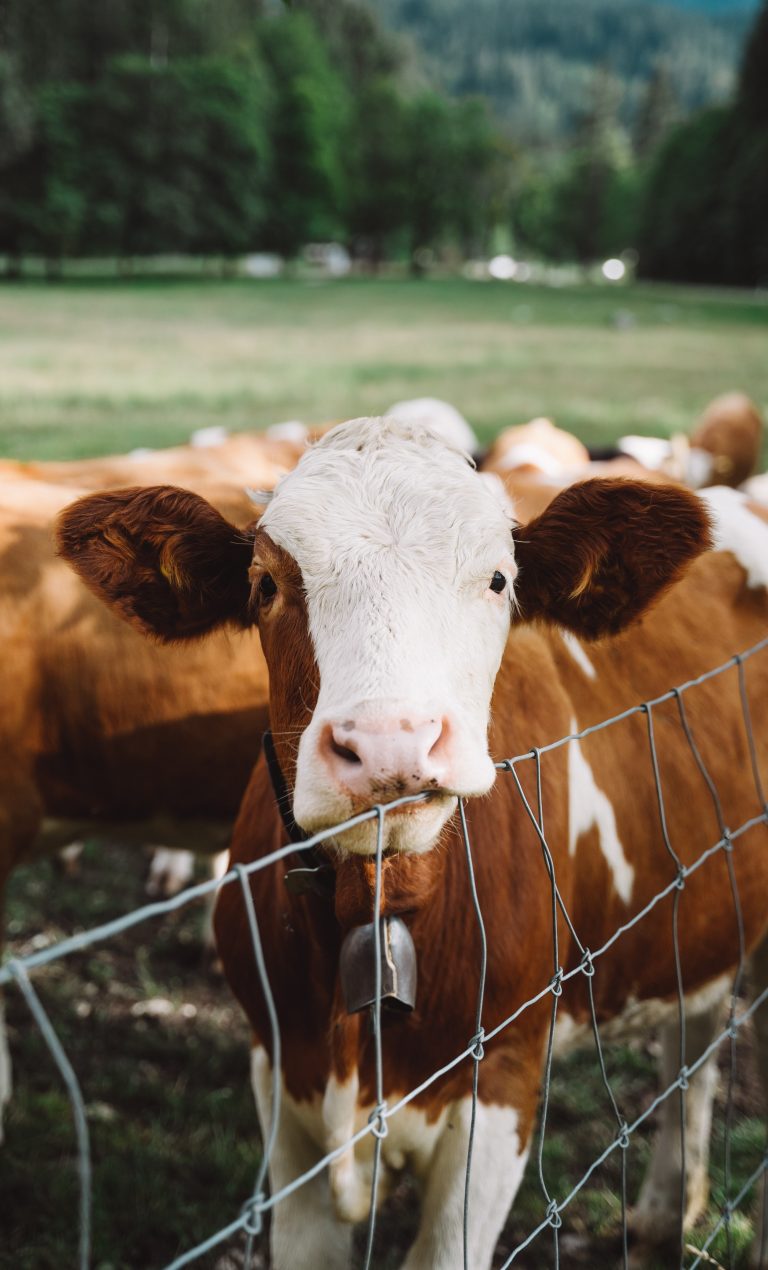
A British biotechnology start-up is converting industrial greenhouses gases into protein for animal fodder. The company uses a process it says can help to feed the world’s growing population while simultaneously being sustainable. Deep Branch uses micro-organisms to synthesize carbon…